



In recent years, the global push towards sustainability has led to a surge in the demand for eco - friendly lighting solutions. Among these, LED solar lights have emerged as a popular choice. As a supplier of LED solar lights, I am often asked the question: Are LED solar lights environmentally friendly? In this blog, I will delve into the various aspects of LED solar lights to answer this question comprehensively.
How LED Solar Lights Work
Before we can assess their environmental friendliness, it's essential to understand how LED solar lights function. LED solar lights consist of three main components: a solar panel, a rechargeable battery, and an LED light source. During the day, the solar panel absorbs sunlight and converts it into electrical energy through the photovoltaic effect. This energy is then stored in the rechargeable battery. At night, the battery powers the LED light, illuminating the area.
Energy Efficiency
One of the most significant environmental benefits of LED solar lights is their energy efficiency. LEDs, or light - emitting diodes, are known for their high energy - conversion rate. Unlike traditional incandescent bulbs, which waste a large amount of energy as heat, LEDs convert a higher percentage of electrical energy into light. This means that they require less power to produce the same amount of light, resulting in lower energy consumption.
Moreover, since LED solar lights are powered by the sun, they do not rely on the grid for electricity. This reduces the demand for fossil - fuel - based energy sources, such as coal, oil, and natural gas, which are major contributors to greenhouse gas emissions. By using LED solar lights, we can significantly reduce our carbon footprint and help combat climate change. For example, a single Integrated Solar Street Light for NIKKON can operate for hours at night without drawing any power from the grid, saving a substantial amount of energy over its lifespan.
Reduced Light Pollution
Light pollution is a growing environmental concern that affects wildlife, human health, and astronomical observations. Traditional street lights and outdoor lighting fixtures often emit light in all directions, leading to unnecessary illumination of the sky and surrounding areas. LED solar lights can be designed to direct light precisely where it is needed, reducing light spillage and glare.
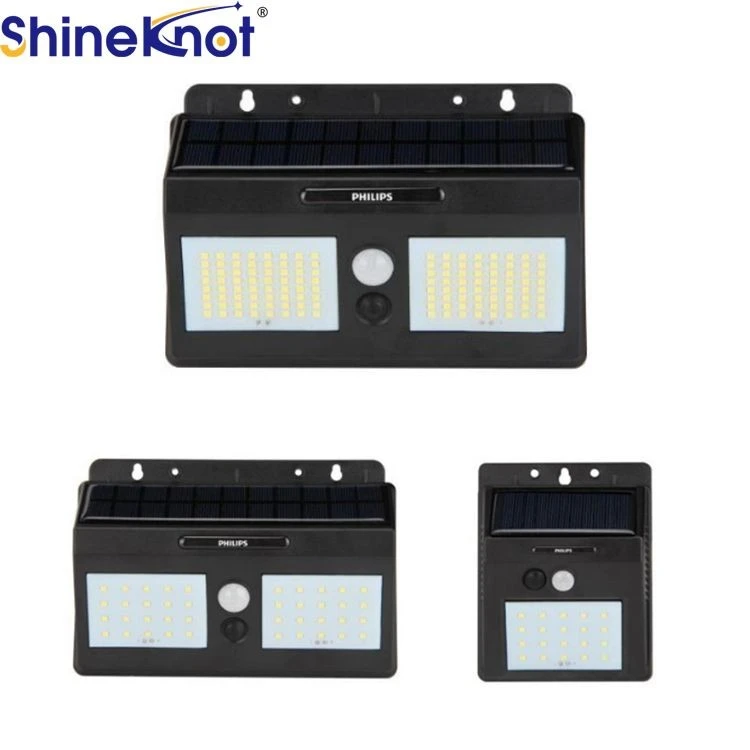
The focused lighting of LED solar lights helps protect nocturnal animals, such as birds and insects, which rely on natural light cycles for navigation, mating, and feeding. For instance, sea turtles are known to be disoriented by bright coastal lighting when they emerge from their nests to reach the ocean. By using well - designed LED solar lights like the 3W LED Solar Wall Light for Philips, we can provide necessary illumination without disrupting the natural behavior of these creatures.
Long Lifespan
LED solar lights have a much longer lifespan compared to traditional lighting options. LEDs can last up to 50,000 hours or more, while incandescent bulbs typically last only 1,000 - 2,000 hours. This extended lifespan means fewer replacements are needed, reducing the amount of waste generated.
Fewer discarded bulbs also translate to less manufacturing activity, which in turn reduces the consumption of raw materials and energy associated with the production process. When a All in One Solar Street Light lasts for many years, it minimizes the environmental impact of constant production and disposal of lighting products.
Material and Disposal Considerations
While LED solar lights offer many environmental benefits, it's important to consider the materials used in their construction and the proper disposal methods. The solar panels in LED solar lights often contain semiconductor materials, such as silicon, and some may also have trace amounts of heavy metals like lead and cadmium. The rechargeable batteries, typically lithium - ion or nickel - metal hydride, also need to be disposed of properly to prevent environmental contamination.
However, many manufacturers, including our company, are committed to using sustainable materials and implementing responsible recycling programs. We ensure that the materials used in our LED solar lights are sourced ethically and that the products are designed for easy disassembly and recycling at the end of their life cycle.
Cost - Effectiveness and Environmental Impact
In addition to their environmental benefits, LED solar lights are also cost - effective in the long run. Although the initial investment may be higher than traditional lighting options, the savings on electricity bills and maintenance costs over time can be substantial. The reduced need for grid - connected electricity and fewer replacements due to their long lifespan make LED solar lights a wise financial and environmental choice.
Conclusion
In conclusion, LED solar lights are indeed environmentally friendly. Their energy efficiency, ability to reduce light pollution, long lifespan, and potential for responsible material management all contribute to a lower environmental impact. As a supplier of LED solar lights, I am proud to offer products that not only meet the lighting needs of our customers but also contribute to a more sustainable future.
If you are interested in purchasing LED solar lights for your project, whether it's a residential, commercial, or industrial application, I encourage you to contact us for a detailed discussion. We can provide you with customized solutions based on your specific requirements and help you make an informed decision. Let's work together to illuminate the world in a more sustainable way.

References
- "Light - Emitting Diodes (LEDs) and Solid - State Lighting," U.S. Department of Energy.
- "Solar Photovoltaic Technology Basics," National Renewable Energy Laboratory.
- "The Impact of Light Pollution on Wildlife," The Royal Society for the Protection of Birds.