



Can LED Flood Lights Be Used in a Warehouse?

As a leading supplier of LED flood lights, I often get asked whether our products are suitable for warehouse use. The answer is a resounding yes! LED flood lights offer numerous advantages that make them an excellent choice for illuminating large spaces like warehouses. In this blog post, I'll explore the benefits of using LED flood lights in a warehouse setting, the key considerations when selecting the right lights, and provide some real - world examples to illustrate their effectiveness.
Advantages of LED Flood Lights in Warehouses
Energy Efficiency
One of the most significant advantages of LED flood lights is their energy efficiency. Compared to traditional lighting sources such as incandescent or halogen bulbs, LEDs consume significantly less energy while providing the same or even higher levels of illumination. This means that by switching to LED flood lights, warehouse owners can save a substantial amount on their energy bills. According to a study by the U.S. Department of Energy, LED lighting can reduce energy consumption by up to 75% compared to traditional lighting systems.
Long Lifespan
LED flood lights have an incredibly long lifespan. On average, they can last up to 50,000 hours or more, which is much longer than traditional bulbs. This reduces the frequency of bulb replacements, minimizing maintenance costs and downtime in the warehouse. For a large - scale warehouse, where changing bulbs can be a time - consuming and labor - intensive task, the long lifespan of LED flood lights is a major advantage.
High Brightness and Uniform Lighting
Warehouses require bright and uniform lighting to ensure safe and efficient operations. LED flood lights are capable of producing high levels of brightness, and they can be designed to distribute light evenly across the warehouse floor. This helps workers to easily locate inventory, read labels, and perform their tasks without straining their eyes. With the right placement of LED flood lights, there are fewer dark spots or shadows in the warehouse, enhancing overall visibility.
Durability
Warehouses are often busy and sometimes rough environments. LED flood lights are highly durable and can withstand vibrations, shocks, and temperature variations. They are also resistant to breakage compared to traditional glass - enclosed bulbs. For example, in a warehouse where forklifts are constantly moving around, there is a risk of accidental collisions with lighting fixtures. LED flood lights are more likely to survive such impacts, reducing the need for frequent replacements.
Environmental Friendliness
LEDs are environmentally friendly. They do not contain harmful substances such as mercury, which is commonly found in fluorescent lights. Additionally, their energy - efficient nature means that they produce fewer greenhouse gas emissions during operation. By choosing LED flood lights for your warehouse, you are not only saving money but also contributing to a more sustainable environment.
Key Considerations When Selecting LED Flood Lights for Warehouses
Light Output
The light output of LED flood lights is measured in lumens. The amount of light needed in a warehouse depends on the size of the space and the type of activities taking place. For general storage areas, a lower light level may be sufficient, but areas where detailed work is done, such as picking and packing stations, require higher light levels. As a rule of thumb, a warehouse may need around 30 - 50 lumens per square foot for basic storage and up to 100 lumens per square foot for more detailed operations.
Color Temperature
Color temperature is measured in Kelvin (K). A lower color temperature (around 2700K - 3000K) produces a warm, yellow - white light, which can create a more comfortable and inviting atmosphere. A higher color temperature (around 5000K - 6500K) produces a cool, white light that is similar to natural daylight and is better for tasks that require high visual acuity. In a warehouse, a color temperature of around 4000K - 5000K is often a good choice as it provides a balance between visibility and a pleasant working environment.
Beam Angle
The beam angle of an LED flood light determines how the light is spread. A narrow beam angle (e.g., 15° - 30°) is suitable for highlighting specific areas or objects, while a wide beam angle (e.g., 90° - 120°) is better for general illumination of large areas. In a warehouse, a combination of different beam angles may be used to achieve the desired lighting effect. For example, narrow - beam lights can be used to illuminate tall racks, while wide - beam lights can be used to light up the open floor areas.
IP Rating
The Ingress Protection (IP) rating of an LED flood light indicates its resistance to dust and water. In a warehouse, especially if there are areas prone to moisture or where cleaning operations involve water, a high IP rating is essential. An IP66 rating, for example, means that the light is completely protected against dust ingress and can withstand powerful jets of water from any direction. You can check out our IP66 50W Warmwhite LED Floodlight which is a great option for warehouses with such requirements.
Real - World Examples
Let's take a look at a few real - world examples of how LED flood lights have been successfully used in warehouses.
A large e - commerce fulfillment center was struggling with high energy costs and poor lighting in its warehouse. The management decided to switch to LED flood lights. They installed a combination of high - lumen, wide - beam flood lights in the open storage areas and narrow - beam lights on the tall racks. After the installation, they noticed a significant improvement in visibility. Workers were able to pick and pack orders more quickly and accurately, leading to increased productivity. At the same time, their energy bills were reduced by over 40%.
Another example is a food storage warehouse. The warehouse needed to maintain a clean and hygienic environment, and traditional lighting was not meeting the requirements. They chose LED flood lights with a high IP rating to prevent dust and moisture from entering the fixtures. The uniform lighting provided by the LEDs also made it easier for workers to spot any signs of spoilage or contamination.
Additional Options for Warehouse Lighting
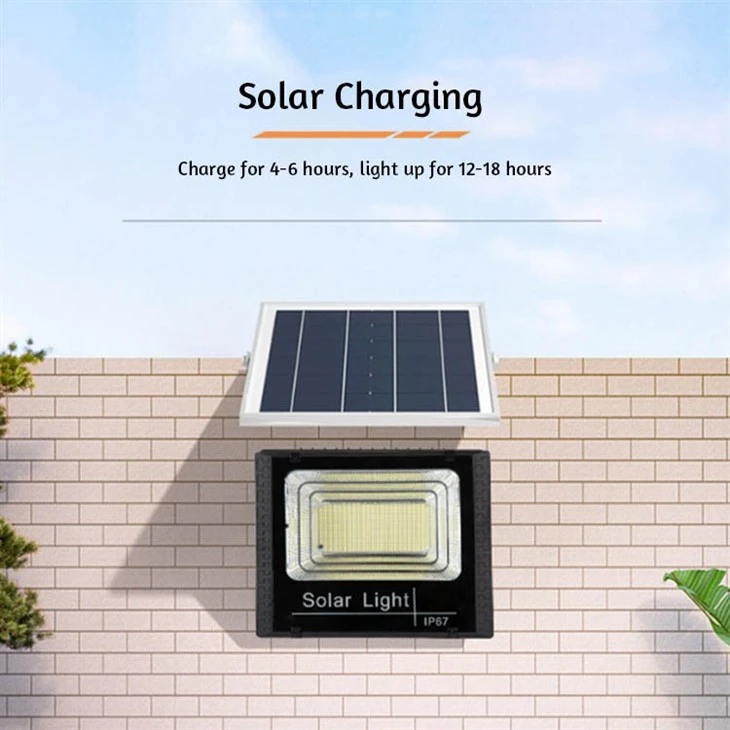
In addition to standard LED flood lights, we also offer some other lighting options that can be used in warehouses. For example, our Projector Light For Ceiling can be a great addition to create unique lighting effects or to highlight specific areas in the warehouse. And for warehouses with access to sunlight, our Outdoor LED Solar Floodlight can be an energy - efficient solution, especially for outdoor loading areas.
Conclusion
In conclusion, LED flood lights are an ideal choice for warehouses. Their energy efficiency, long lifespan, high brightness, durability, and environmental friendliness make them a cost - effective and practical lighting solution. When selecting LED flood lights for your warehouse, it's important to consider factors such as light output, color temperature, beam angle, and IP rating.
If you are a warehouse owner or manager looking to upgrade your lighting system, I encourage you to reach out to us. We have a wide range of LED flood lights that can be customized to meet your specific needs. Contact us today to start a discussion about your warehouse lighting project and let us help you find the perfect lighting solution.
References
- U.S. Department of Energy, "Energy - Saving Potential of LED Lighting".
- Lighting Research Center, Rensselaer Polytechnic Institute, "Guidelines for Warehouse Lighting".