



What is a rear - wheel drive? Well, let me break it down for you. I'm part of a drive supplier, so I've got a fair bit of knowledge about this stuff.
The Basics of Rear - Wheel Drive
Rear - wheel drive, often abbreviated as RWD, is a type of drivetrain layout in vehicles. In a rear - wheel drive system, the engine's power is sent to the rear wheels of the vehicle. This is different from front - wheel drive (FWD), where the power goes to the front wheels, and all - wheel drive (AWD) or four - wheel drive (4WD), which send power to all the wheels.
Think about it like this. When you're pushing a shopping cart, if you push it from the back, that's kind of like rear - wheel drive. The power to move the cart comes from the back. In a car, having the power at the rear wheels can give it some unique characteristics.
Advantages of Rear - Wheel Drive
One of the big advantages of rear - wheel drive is better handling, especially in high - performance and sports cars. Since the front wheels are mainly used for steering, they can focus on that task without having to deal with the job of transmitting power as well. This can lead to more precise steering and better control, especially when you're taking corners at high speeds.

For example, many luxury and high - end sports cars use rear - wheel drive. Brands like BMW and Mercedes - Benz have a long history of producing rear - wheel - drive vehicles. These cars can offer a more engaging driving experience because the driver can really feel the power being transferred to the rear wheels, and it gives a sense of balance and stability.
Another advantage is better weight distribution. In a rear - wheel - drive vehicle, the weight of the engine can be more evenly spread across the front and rear axles. This helps with traction and overall vehicle performance. When you accelerate, the weight of the vehicle shifts to the rear, which can actually improve the grip of the rear wheels, allowing for better acceleration.
Disadvantages of Rear - Wheel Drive
Of course, rear - wheel drive isn't all sunshine and rainbows. One of the main drawbacks is its performance in bad weather, especially in snow and ice. Since the power is sent to the rear wheels, they can lose traction more easily on slippery surfaces. If you're driving on a snowy road in a rear - wheel - drive car, you might find it a bit more challenging to get going or to maintain control compared to a front - wheel - drive or all - wheel - drive vehicle.
Another issue is cost. Rear - wheel - drive systems can be more complex and expensive to manufacture. They often require additional components like a driveshaft to transfer power from the engine to the rear wheels. This can lead to higher production costs, which are then passed on to the consumer.
Applications of Rear - Wheel Drive
Rear - wheel drive isn't just for cars. It's also used in trucks and some commercial vehicles. In trucks, rear - wheel drive can handle heavy loads better. The power at the rear wheels can provide the necessary torque to move large amounts of weight.
In the world of industrial and heavy machinery, rear - wheel drive can also be found. For example, some forklifts use rear - wheel drive to maneuver in tight spaces. The ability to turn the rear wheels independently can make these machines more agile and easier to operate.
Our Drive Products for Rear - Wheel Drive Systems
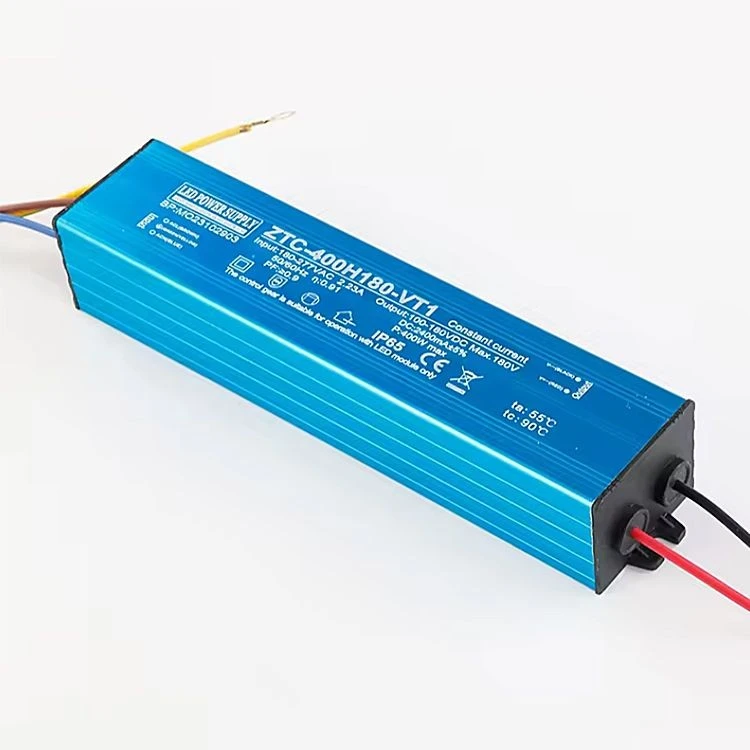
As a drive supplier, we offer a range of products that can be used in rear - wheel drive systems. One of our popular products is the AC110V - 220V To DC65 - 80V 50W Drive. This drive can be used to power various components in a rear - wheel - drive vehicle or industrial equipment. It's designed to convert AC power to DC power efficiently, ensuring a stable power supply for the rear - wheel drive system.
We also have the AC12V 60W Square Waterproof Transformer. This transformer is great for applications where water resistance is important. In a rear - wheel - drive vehicle that might be used in wet or harsh environments, this waterproof transformer can ensure that the electrical components related to the drive system stay protected and function properly.
And then there's the DC24V100W Ultra - thin DC Switch Power Supply. This power supply is compact and efficient, making it suitable for use in rear - wheel - drive systems where space might be limited. It can provide a reliable source of power to the various sensors and control units in the drive system.
Why Choose Our Drives
Our drives are designed with quality and performance in mind. We use the latest technology and high - quality materials to ensure that our products are reliable and long - lasting. Whether you're a car manufacturer looking for a drive for a new rear - wheel - drive model or an industrial equipment maker in need of a power supply for your rear - wheel - drive machinery, we've got you covered.
We also offer excellent customer support. Our team of experts is always ready to answer any questions you might have about our products and how they can be used in your specific application. We understand that every customer's needs are different, and we're committed to providing the best solutions.
Contact Us for Your Rear - Wheel Drive Needs
If you're in the market for drives for your rear - wheel drive systems, we'd love to hear from you. Whether you have a specific project in mind or just want to learn more about our products, don't hesitate to reach out. We can discuss your requirements, provide you with detailed product information, and even offer samples if needed.
Getting the right drive for your rear - wheel drive system is crucial for optimal performance. So, if you're looking for a reliable drive supplier, give us a shout. We're here to help you make the most of your rear - wheel drive applications.
References
- Automotive Engineering textbooks
- Industry reports on vehicle drivetrain technologies
- Manufacturer's specifications for rear - wheel - drive vehicles and related components