



A terminal block, also known as a terminal strip or connection terminal, is a fundamental component in electrical and electronic systems. It serves as a crucial interface that facilitates the secure and organized connection of multiple wires or cables. In this blog, as a terminal block supplier, I will delve into the details of what a terminal block is, its types, applications, and why it is an essential part of various industries.
What is a Terminal Block?
At its core, a terminal block is a modular device designed to connect electrical conductors. It typically consists of a housing made of insulating material, such as plastic or ceramic, and conductive elements, usually made of metal. The housing provides mechanical support and electrical insulation, preventing short - circuits and ensuring safety. The conductive elements, often in the form of screws, clamps, or spring - loaded mechanisms, are used to secure the wires in place and establish an electrical connection.
Terminal blocks come in various shapes, sizes, and configurations to meet different requirements. They can range from simple single - pole blocks, which connect two wires, to complex multi - pole blocks that can handle multiple circuits simultaneously. The number of poles refers to the number of individual connection points on the terminal block.
Types of Terminal Blocks
Screw - Type Terminal Blocks
Screw - type terminal blocks are one of the most common types. They use screws to clamp the wires against the conductive elements. This type of connection is reliable and can handle a wide range of wire sizes. However, it requires the use of a screwdriver for installation and removal, which can be time - consuming, especially in applications where frequent changes are needed.
Spring - Clamp Terminal Blocks
Spring - clamp terminal blocks utilize a spring mechanism to hold the wires in place. They offer quick and easy installation, as the wire can be inserted directly into the terminal without the need for tools. Spring - clamp terminal blocks are also known for their excellent vibration resistance, making them suitable for applications in harsh environments.
Push - In Terminal Blocks
Push - in terminal blocks are a relatively new type of terminal block. They allow for fast and tool - free installation. The wire is simply pushed into the terminal, and a built - in clamping mechanism secures it. Push - in terminal blocks are particularly useful in applications where time is of the essence, such as in mass production.

Fuse Terminal Blocks
Fuse terminal blocks combine the functionality of a terminal block with a fuse. They are used to protect electrical circuits from overcurrent. If the current exceeds a certain limit, the fuse will blow, interrupting the circuit and preventing damage to the equipment.
Applications of Terminal Blocks
Industrial Automation
In industrial automation systems, terminal blocks are used to connect sensors, actuators, motors, and other control devices. They provide a reliable and organized way to manage the numerous electrical connections in a factory environment. For example, in a programmable logic controller (PLC) system, terminal blocks are used to connect the input and output modules to the field devices.
Power Distribution
Terminal blocks play a crucial role in power distribution systems. They are used to connect power cables, circuit breakers, and other electrical components. In a switchgear cabinet, terminal blocks are used to distribute power to different circuits and ensure that the electrical connections are secure and stable.
Building Automation
In building automation systems, terminal blocks are used to connect lighting controls, HVAC systems, security systems, and other building services. They help to simplify the wiring and make it easier to install, maintain, and troubleshoot the systems.
Renewable Energy
In renewable energy systems, such as solar and wind power plants, terminal blocks are used to connect solar panels, wind turbines, inverters, and batteries. They need to be able to withstand high voltages, high currents, and harsh environmental conditions.
Our Terminal Block Products
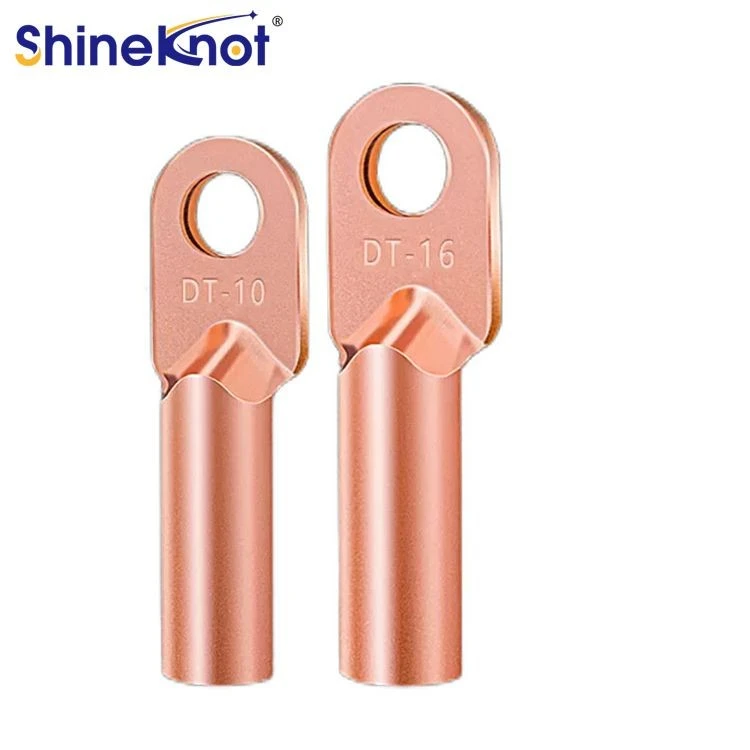
As a terminal block supplier, we offer a wide range of terminal block products to meet the diverse needs of our customers. Our product portfolio includes Heavy Duty Wire Lugs, which are designed to handle large - gauge wires and provide a secure connection in high - current applications. We also have Din Rail Combined Terminal Block Kits, which are easy to install on DIN rails and offer a compact and organized solution for multiple - circuit connections. Additionally, our Non - insulated Ring Terminal is a cost - effective option for simple electrical connections.
Why Choose Our Terminal Blocks?
Quality
We are committed to providing high - quality terminal blocks. Our products are manufactured using the latest technology and strict quality control measures. We use high - grade materials to ensure the durability and reliability of our terminal blocks.
Customization
We understand that different customers have different requirements. That's why we offer customization services. We can design and manufacture terminal blocks according to your specific needs, including the number of poles, wire size, and mounting options.
Technical Support
Our team of experienced engineers is always ready to provide technical support. Whether you have questions about product selection, installation, or troubleshooting, we can offer you professional advice and solutions.
Contact Us for Procurement
If you are in need of terminal blocks for your projects, we invite you to contact us for procurement. Our sales team will be happy to assist you in selecting the right products and providing you with a competitive quote. We look forward to establishing a long - term business relationship with you.
References
- Electrical Installation Handbook, Schneider Electric
- Terminal Block Selection Guide, Phoenix Contact
- Industrial Control Handbook, Rockwell Automation