



In the realm of electrical systems, switchboards play a pivotal role in distributing and controlling electrical power. As a reputable switchboard supplier, I've witnessed firsthand the importance of every component within these systems. One such crucial component is the disconnector, which serves several vital functions that contribute to the overall safety and efficiency of a switchboard.
Understanding the Basics of Switchboards
Before delving into the functions of disconnectors, it's essential to understand what a switchboard is. A switchboard is an assembly of electrical components, including circuit breakers, fuses, switches, and meters, that distributes electrical power from a single source to multiple circuits. Switchboards come in various types, such as Flush Mounted Switchboard and Surface Mounted Switchboard, each designed to meet specific installation requirements and applications.
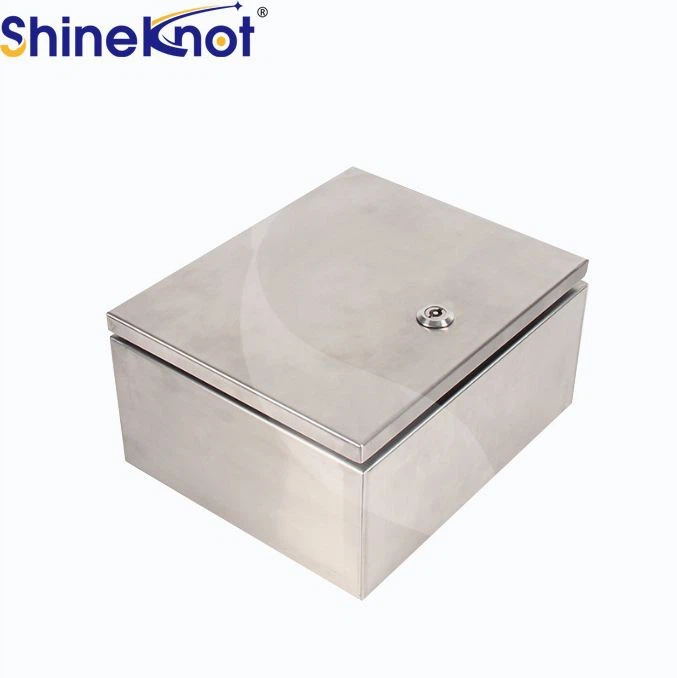

What Are Disconnectors?
Disconnectors, also known as isolators, are electrical devices used to isolate a circuit or equipment from the power source. They are typically used in high-voltage electrical systems but can also be found in low-voltage switchboards. Disconnectors are designed to open and close a circuit under no-load conditions, meaning they are not intended to interrupt the flow of current during normal operation. Instead, they provide a visible break in the circuit, ensuring that maintenance personnel can safely work on the equipment without the risk of electric shock.
The Primary Functions of Disconnectors in a Switchboard
1. Safety Isolation
One of the most critical functions of disconnectors in a switchboard is to provide safety isolation. When maintenance or repair work needs to be performed on a circuit or equipment, the disconnector can be opened to isolate the affected area from the power source. This creates a visible break in the circuit, which serves as a clear indication to personnel that the equipment is de-energized and safe to work on. By providing a reliable means of isolation, disconnectors help prevent electrical accidents and ensure the safety of maintenance personnel.
2. Maintenance and Inspection
Disconnectors also facilitate maintenance and inspection of switchboard components. During routine maintenance or inspection, the disconnector can be opened to isolate the circuit, allowing technicians to safely access and examine the equipment. This helps identify any potential issues or faults early on, preventing costly breakdowns and ensuring the continued reliability of the switchboard. Additionally, disconnectors make it easier to replace or repair faulty components without having to shut down the entire switchboard, minimizing downtime and disruption to the electrical system.
3. Fault Isolation
In the event of a fault or short circuit in a switchboard, disconnectors can be used to isolate the affected circuit from the rest of the system. By opening the disconnector, the faulty circuit can be quickly isolated, preventing the spread of the fault and minimizing damage to the switchboard and other equipment. This helps reduce the risk of power outages and ensures the continued operation of the electrical system.
4. System Reconfiguration
Disconnectors also allow for system reconfiguration in a switchboard. In some cases, it may be necessary to change the electrical configuration of the switchboard to accommodate changes in load requirements or to improve system efficiency. Disconnectors can be used to isolate specific circuits or sections of the switchboard, allowing for the safe and easy reconfiguration of the system. This flexibility makes disconnectors an essential component in modern switchboards, which need to be able to adapt to changing electrical demands.
Types of Disconnectors
There are several types of disconnectors available, each designed for specific applications and requirements. Some of the most common types of disconnectors include:
1. Knife Blade Disconnectors
Knife blade disconnectors are the most basic type of disconnector and are commonly used in low-voltage switchboards. They consist of a blade that is inserted into a contact to close the circuit and removed to open the circuit. Knife blade disconnectors are simple, reliable, and easy to operate, making them a popular choice for many applications.
2. Rotary Disconnectors
Rotary disconnectors are designed to provide a more compact and efficient solution for high-voltage switchboards. They consist of a rotating contact that is used to open and close the circuit. Rotary disconnectors are typically used in applications where space is limited or where a high degree of reliability is required.
3. Pneumatic Disconnectors
Pneumatic disconnectors use compressed air to operate the switching mechanism. They are commonly used in high-voltage switchboards and are designed to provide fast and reliable switching under high-load conditions. Pneumatic disconnectors are typically used in applications where a high degree of safety and reliability is required.
Factors to Consider When Selecting Disconnectors for a Switchboard
When selecting disconnectors for a switchboard, several factors need to be considered to ensure that the disconnector is suitable for the specific application and requirements. Some of the key factors to consider include:
1. Voltage Rating
The voltage rating of the disconnector must be compatible with the voltage of the switchboard. Using a disconnector with a lower voltage rating than the switchboard can result in electrical arcing and damage to the disconnector, while using a disconnector with a higher voltage rating than necessary can be costly and unnecessary.
2. Current Rating
The current rating of the disconnector must also be compatible with the current-carrying capacity of the switchboard. Using a disconnector with a lower current rating than the switchboard can result in overheating and damage to the disconnector, while using a disconnector with a higher current rating than necessary can be costly and unnecessary.
3. Operating Conditions
The operating conditions of the switchboard, such as temperature, humidity, and vibration, must also be considered when selecting disconnectors. Disconnectors must be able to operate reliably under the specific environmental conditions of the switchboard to ensure long-term performance and reliability.
4. Safety Features
Finally, the safety features of the disconnector must be considered. Disconnectors should be equipped with features such as visible break contacts, interlocks, and grounding provisions to ensure the safety of personnel during operation and maintenance.
Conclusion
In conclusion, disconnectors play a crucial role in the safety and efficiency of a switchboard. By providing safety isolation, facilitating maintenance and inspection, isolating faults, and allowing for system reconfiguration, disconnectors help ensure the reliable operation of the electrical system and the safety of maintenance personnel. When selecting disconnectors for a switchboard, it's essential to consider factors such as voltage rating, current rating, operating conditions, and safety features to ensure that the disconnector is suitable for the specific application and requirements.
If you're in the market for high-quality switchboards or need assistance with selecting the right disconnectors for your application, we're here to help. As a leading switchboard supplier, we offer a wide range of Flush Mounted Switchboard, Surface Mounted Switchboard, and Surface Mounted Electric Meter Box solutions to meet your needs. Contact us today to learn more about our products and services and to discuss your specific requirements.
References
- "Electrical Switchgear Handbook" by A. J. Chapman
- "Switchgear and Protection" by J. B. Gupta
- "Power System Protection and Switchgear" by M. H. Haque