



In the realm of electrical systems, switchboards play a pivotal role in ensuring the safe and efficient distribution of electrical power. As a seasoned switchboard supplier, I've witnessed firsthand the critical importance of each component within these intricate systems. One such component that often goes unnoticed but is essential for the proper functioning of switchboards is the resistor. In this blog post, I'll delve into the functions of resistors in a switchboard, shedding light on their significance and impact on electrical performance.
1. Current Limitation
One of the primary functions of resistors in a switchboard is to limit the flow of electric current. In an electrical circuit, current is the rate of flow of electric charge, and excessive current can lead to overheating, damage to components, and even electrical fires. Resistors are designed to oppose the flow of current, thereby reducing its magnitude to a safe and manageable level.
For example, in a switchboard that supplies power to multiple electrical loads, resistors can be used to limit the current flowing through each load. This helps prevent overloading of the circuit and ensures that each load receives the appropriate amount of power. By controlling the current, resistors also protect sensitive components from damage caused by sudden surges or spikes in current.
2. Voltage Division
Resistors are also used in switchboards for voltage division. Voltage is the electrical potential difference between two points in a circuit, and in many cases, it is necessary to divide the voltage across different components or sections of a circuit. Resistors can be connected in series to create a voltage divider circuit, which divides the input voltage into smaller, more manageable voltages.
In a switchboard, voltage division is often used to provide the appropriate voltage levels for different components, such as sensors, relays, and control circuits. By adjusting the values of the resistors in the voltage divider circuit, the output voltage can be precisely controlled to meet the requirements of each component. This ensures that the components operate correctly and safely, without being subjected to excessive voltage.
3. Signal Conditioning
In addition to current limitation and voltage division, resistors are also used for signal conditioning in switchboards. Signal conditioning involves modifying an electrical signal to make it suitable for processing or transmission. Resistors can be used to filter out unwanted noise or interference from a signal, as well as to adjust the amplitude or frequency of the signal.
For example, in a switchboard that includes communication interfaces or control systems, resistors can be used to condition the signals transmitted between different components. This helps ensure that the signals are clear and accurate, and that they can be properly interpreted by the receiving components. By improving the quality of the signals, resistors enhance the reliability and performance of the switchboard.
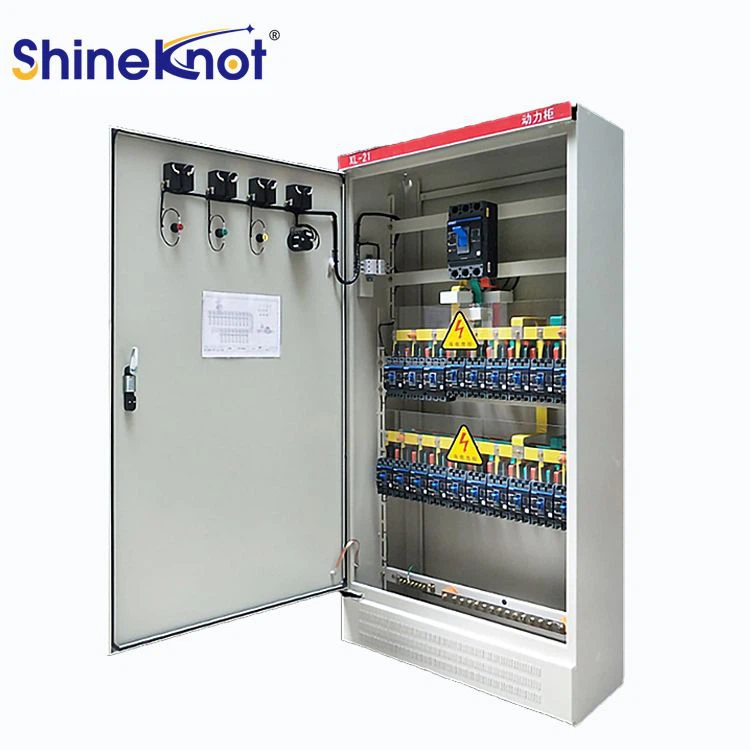

4. Power Dissipation
Another important function of resistors in a switchboard is power dissipation. When an electric current flows through a resistor, electrical energy is converted into heat energy. This heat energy must be dissipated to prevent the resistor from overheating and failing. Resistors are designed to have a specific power rating, which indicates the maximum amount of power they can safely dissipate.
In a switchboard, resistors are often used in applications where power dissipation is required, such as in voltage regulators or power supplies. By dissipating the excess power as heat, resistors help maintain the stability and reliability of the electrical system. However, it is important to select resistors with the appropriate power rating to ensure that they can handle the expected power dissipation without overheating.
5. Protection and Safety
Resistors also play a crucial role in protecting switchboards and the electrical systems they serve. In the event of a fault or short circuit, resistors can be used to limit the current and prevent damage to the switchboard and other components. By providing a controlled path for the current to flow, resistors help protect against overheating, arcing, and other hazards.
For example, in a switchboard that includes circuit breakers or fuses, resistors can be used to ensure that the circuit breakers or fuses operate correctly in the event of a fault. By limiting the current, resistors help prevent the circuit breakers or fuses from being damaged by excessive current, and they ensure that the electrical system is quickly and safely disconnected from the power source.
6. Compatibility with Other Components
Resistors are designed to be compatible with other components in a switchboard, such as capacitors, inductors, and transistors. This compatibility is essential for ensuring the proper functioning of the switchboard and the electrical system as a whole. Resistors can be used in combination with other components to create complex circuits that perform specific functions, such as filtering, amplification, or oscillation.
For example, in a switchboard that includes a power supply circuit, resistors can be used in conjunction with capacitors and inductors to filter out unwanted noise and ripple from the power supply. This helps ensure that the power supply provides a stable and clean voltage to the other components in the switchboard. By working together with other components, resistors enhance the performance and reliability of the switchboard.
7. Cost-Effectiveness
Finally, resistors are a cost-effective solution for many applications in switchboards. Compared to other components, such as transformers or regulators, resistors are relatively inexpensive and easy to install. They also have a long lifespan and require minimal maintenance, making them a reliable and cost-effective choice for switchboard applications.
In addition, resistors are available in a wide range of values and power ratings, making it easy to select the appropriate resistor for a specific application. This flexibility allows switchboard designers to optimize the performance and cost of the switchboard by choosing the most suitable resistors for each component and circuit.
Conclusion
In conclusion, resistors play a vital role in the proper functioning of switchboards. From current limitation and voltage division to signal conditioning and power dissipation, resistors perform a variety of functions that are essential for the safety, reliability, and performance of electrical systems. As a switchboard supplier, I understand the importance of using high-quality resistors in our products to ensure that they meet the highest standards of quality and performance.
If you're in the market for a switchboard or need assistance with your electrical system, I encourage you to explore our range of products, including Distribution Box for Circuit Breaker, Surface Mounted Electric Meter Box, and Surface Mounted Switchboard. Our team of experts is available to answer your questions and provide you with the guidance and support you need to make the right choice for your specific needs. Contact us today to learn more about our products and services and to start the procurement process.
References
- Nilsson, J. W., & Riedel, S. A. (2019). Electric Circuits. Pearson.
- Dorf, R. C., & Svoboda, J. A. (2019). Introduction to Electric Circuits. Wiley.
- Alexander, C. K., & Sadiku, M. N. O. (2017). Fundamentals of Electric Circuits. McGraw-Hill.