



What is the history of switchboards? Well, let me tell you, it's a pretty fascinating journey that goes way back in time. As a switchboard supplier, I've had the chance to learn a whole lot about these things, and I'm stoked to share it with you.
Early Beginnings
The story of switchboards starts way back in the 19th century. At that time, the electrical industry was just getting off the ground. Thomas Edison had just invented the practical incandescent light bulb in 1879, and suddenly, there was a huge demand for electricity to power these new - fangled lights.
Back then, electrical systems were simple. There were just a few circuits, and the main goal was to distribute electricity safely from the power source to the lights and other devices. The first switchboards were basic. They were often just wooden panels with simple switches and fuses. These early switchboards were used mainly in factories and large buildings where electricity was starting to be used on a larger scale.
The Growth of the Electrical Grid
As the electrical grid expanded in the early 20th century, switchboards became more important. The grid was connecting power plants to cities and towns, and there was a need to manage the flow of electricity more effectively. Switchboards started to get more complex. They were now made of metal, which was more durable and better at handling the increasing electrical loads.
The introduction of circuit breakers was a game - changer. Before circuit breakers, fuses were used to protect electrical circuits. Once a fuse blew, you had to replace it. Circuit breakers, on the other hand, could be reset after a fault, which made them much more convenient. This led to the development of more advanced switchboards that could handle multiple circuits and protect against various electrical faults.

World War II and Post - War Innovations
During World War II, the demand for electricity in military facilities and factories skyrocketed. This led to a lot of innovation in switchboard technology. Switchboards had to be more reliable, compact, and able to handle high - intensity loads. Engineers developed new materials and designs to meet these requirements.
After the war, the same technology was adapted for civilian use. The post - war boom in construction meant that there was a huge demand for switchboards in new homes, offices, and commercial buildings. Switchboards became more standardized, and safety features were improved. For example, arc - fault circuit interrupters (AFCIs) were introduced to protect against electrical fires caused by arcing faults.
Modern Switchboards
In the modern era, switchboards have come a long way. With the rise of digital technology, switchboards are now often equipped with smart features. They can be monitored and controlled remotely, which is really useful for large facilities. For example, a building manager can check the status of circuits, turn on or off power, and receive alerts about faults from their smartphone or computer.
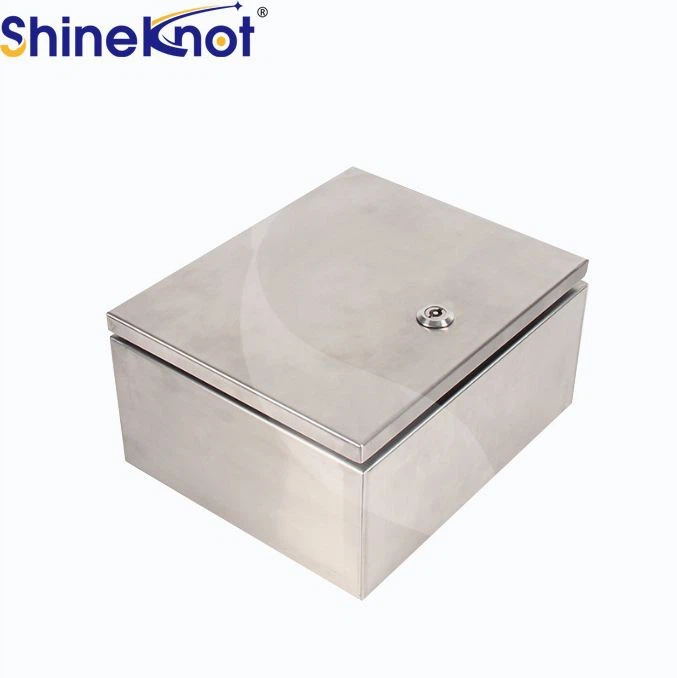
There are also different types of switchboards available today to meet various needs. For instance, the Surface Mounted Electric Meter Box is great for applications where you need to mount the switchboard on a surface. It's compact and easy to install. The Surface Mounted Switchboard is another popular option, offering flexibility in terms of location and installation. And if you're looking for a switchboard to house circuit breakers, the Distribution Box for Circuit Breaker is a top - notch choice.
The Future of Switchboards
The future of switchboards looks really exciting. With the increasing focus on renewable energy sources like solar and wind, switchboards will need to be able to integrate these new power sources. They'll also need to be more energy - efficient and able to communicate with other smart devices in a building.
For example, imagine a switchboard that can automatically adjust the power distribution based on the amount of solar energy being generated. Or a switchboard that can communicate with an electric vehicle charger to manage the charging process. These are the kinds of things we can expect to see in the coming years.
Why Choose Our Switchboards
As a switchboard supplier, we're committed to providing high - quality products. We understand the long and rich history of switchboards, and we use that knowledge to create modern, reliable, and safe switchboards. Our switchboards are designed to meet the latest industry standards and are built with the latest technology.
Whether you're a contractor building a new home, an office manager looking to upgrade your electrical system, or a facility owner in need of a reliable switchboard for your factory, we've got you covered. We offer a wide range of switchboards, from simple residential models to complex commercial and industrial ones.
If you're interested in learning more about our switchboards or have any questions about which switchboard is right for you, don't hesitate to reach out. We're here to help you make the best choice for your electrical needs. Let's start a conversation about your switchboard requirements and see how we can work together to get you the perfect solution.
References
- Thompson, R. (2005). The History of Electrical Distribution Systems. Electrical Engineering Press.
- Davis, M. (2012). Innovations in Switchboard Technology Since the 20th Century. Journal of Electrical Innovations.
- Wilson, L. (2018). The Future of Switchboards in a Renewable Energy World. Energy Futures Journal.