



Hey there! As a supplier of LED panel lights, I often get asked about the lifespan of these nifty lighting solutions. So, I thought I'd sit down and write a blog post to shed some light on this topic (pun intended).
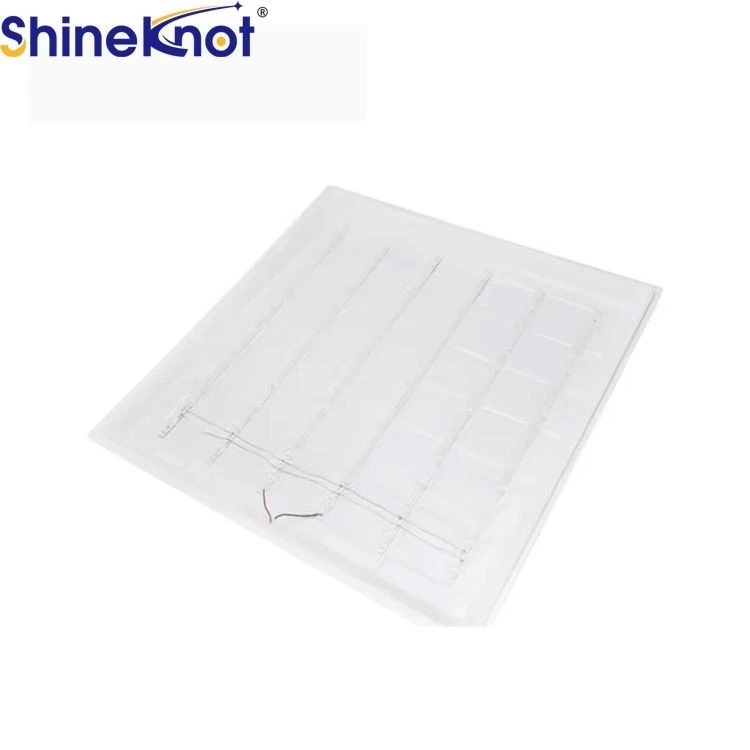
First off, let's talk about what an LED panel light is. It's a flat, thin lighting fixture that uses light-emitting diodes (LEDs) to produce illumination. These lights are energy-efficient, have a high brightness output, and come in various sizes and styles, such as the Surface Mounted Led Panel Light, 600mm Recessed Mounted Led Panel Light, and 6w Surface Mounted Panel Light. They're commonly used in commercial and residential settings, like offices, schools, hospitals, and homes.
Now, let's get to the main question: What's the lifespan of an LED panel light? Well, the lifespan of an LED panel light is typically measured in hours of use. Unlike traditional incandescent bulbs that might last around 1,000 - 2,000 hours, or fluorescent bulbs that can go for about 10,000 - 15,000 hours, LED panel lights have a much longer lifespan.
On average, a good - quality LED panel light can last anywhere from 30,000 to 50,000 hours. That's a huge difference! To put it into perspective, if you were to use an LED panel light for 8 hours a day, every day, a 30,000 - hour LED panel light would last for about 10 years. And a 50,000 - hour one would last over 17 years.
But why do LED panel lights last so long? It all comes down to the technology behind them. LEDs are solid - state lighting devices. Unlike incandescent bulbs that have a filament that burns out over time or fluorescent bulbs that rely on a gas discharge process which degrades components, LEDs work by passing an electric current through a semiconductor material. This process is much more stable and generates less heat. Heat is one of the main enemies of traditional light bulbs as it can cause the components to break down faster. Since LEDs produce less heat, they don't suffer from the same wear - and - tear issues.
However, it's important to note that the actual lifespan of an LED panel light can be affected by several factors.
One of the biggest factors is the quality of the components. Cheaper LED panel lights might use lower - grade LEDs, drivers, or heat sinks. The LED chips are the heart of the panel light. If they're of poor quality, they might start to dim or fail earlier than expected. The driver is responsible for regulating the electrical current going to the LEDs. A bad driver can cause fluctuations in the current, which can damage the LEDs. And the heat sink helps dissipate the heat generated by the LEDs. If it's not efficient, the LEDs can overheat, reducing their lifespan.
Another factor is the operating environment. LED panel lights are sensitive to temperature and humidity. If they're installed in a place with high temperatures or high humidity, it can speed up the degradation process. For example, if an LED panel light is placed in a hot attic or a damp basement, its lifespan could be significantly reduced. Also, exposure to dust and dirt can affect the performance of the light. Dust can accumulate on the LEDs and the heat sink, reducing the light output and making it harder for the heat to escape.
Proper installation also plays a crucial role. If the LED panel light isn't installed correctly, it can put stress on the components. For instance, if the wiring is loose or the light isn't properly grounded, it can cause electrical problems that might damage the LEDs or the driver.

Now, you might be wondering how you can tell if an LED panel light is nearing the end of its lifespan. One of the most obvious signs is a significant decrease in brightness. As LEDs age, they naturally start to dim. If you notice that your LED panel light isn't as bright as it used to be, it could be a sign that it's getting old. Another sign is color shift. LEDs are designed to produce a consistent color temperature over their lifespan. But as they age, the color of the light might start to change. It could become more yellow or blue than it originally was.
So, what can you do to maximize the lifespan of your LED panel lights?
First, invest in high - quality products. It might cost a bit more upfront, but in the long run, you'll save money because you won't have to replace the lights as often. When you're shopping for LED panel lights, look for products from reputable manufacturers. Check for certifications like Energy Star, which indicates that the light meets certain energy - efficiency and performance standards.
Second, make sure to install the lights in a suitable environment. Avoid areas with extreme temperatures or high humidity. If possible, install the lights in well - ventilated areas to help keep them cool. And regularly clean the lights to remove dust and dirt.
Third, follow the manufacturer's installation instructions carefully. If you're not confident in your installation skills, it's a good idea to hire a professional electrician.
As a supplier of LED panel lights, I understand the importance of providing high - quality products with a long lifespan. That's why we source the best components and test our products rigorously before they reach the market. Whether you're looking for a Surface Mounted Led Panel Light for your office or a 600mm Recessed Mounted Led Panel Light for your home, we've got you covered.
If you're interested in purchasing LED panel lights or have any questions about our products, feel free to reach out. We're here to help you make the right choice for your lighting needs.
References:
- Lighting Research Center, Rensselaer Polytechnic Institute. General information on LED lighting technology and lifespan.
- Energy Star. Guidelines on energy - efficient lighting products and their performance.