



Hey there! As a supplier of LED wall lights, I often get asked about the light distribution pattern of these nifty fixtures. So, let's dive right in and explore what that's all about.
First off, what exactly is a light distribution pattern? Well, it's basically how the light from an LED wall light spreads out in a space. Think of it as the shape and direction in which the light travels once it leaves the fixture. This pattern can have a huge impact on how a room looks and feels, and it's super important to choose the right one for your needs.
There are several common light distribution patterns for LED wall lights, and each has its own unique characteristics and uses.
Direct Lighting
Direct lighting is pretty straightforward. It sends most of the light directly downwards or in a specific direction. This type of pattern is great for task - lighting areas like reading nooks, kitchen countertops, or workspaces. When you need focused light to get things done, direct lighting is your go - to.
For example, our Double Head Flat LED Wall Light can be set up to provide direct lighting. The flat design allows it to be mounted close to the wall, and the two heads can be adjusted to direct the light exactly where you need it. Whether you're working on a DIY project or reading a good book, this light will give you the clear, bright illumination you require.
Indirect Lighting
Indirect lighting, on the other hand, bounces the light off a surface like the ceiling or a wall before it reaches the area you want to light. This creates a soft, diffused glow that's perfect for creating a relaxing and ambient atmosphere. It can make a room feel more spacious and inviting.
One of our products, the GU10 Aluminum Double Head Wall Lamp, can be used for indirect lighting. By angling the heads towards the ceiling or wall, the light reflects off these surfaces and fills the room with a warm, gentle light. It's ideal for living rooms, bedrooms, or any area where you want to unwind and enjoy a cozy environment.
Semi - Direct Lighting
Semi - direct lighting is a combination of direct and indirect lighting. It sends a significant amount of light downwards for task - lighting, but also has some light that spreads out indirectly to create a bit of ambient illumination. This is a versatile pattern that can work well in many different spaces.
Our GU10 Double Head Wall LED Lamp is a great example of a fixture that can provide semi - direct lighting. You can adjust the heads to direct part of the light downwards for tasks like getting dressed or doing makeup in front of a mirror, while the rest of the light spreads out to add a touch of overall light to the room.
Wall - Washing
Wall - washing is a special light distribution pattern where the light is spread evenly across a wall. This can create a dramatic effect, highlighting the texture and color of the wall. It's often used in art galleries or to showcase architectural features in a home.
To achieve wall - washing with our LED wall lights, you need to position the fixtures at the right distance from the wall and at the correct angle. The light should be able to cover the entire wall surface without any dark spots. This can really transform the look of a room and make it feel more stylish and sophisticated.

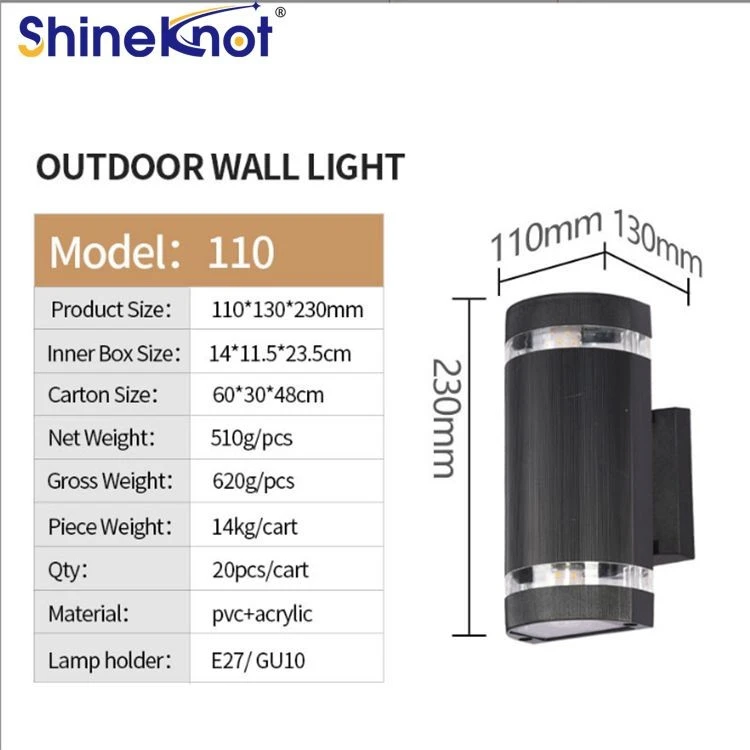
Spotlighting
Spotlighting is all about highlighting a specific object or area. You can use it to draw attention to a piece of artwork, a decorative statue, or a particular corner of a room. Our LED wall lights can be adjusted to create a narrow beam of light for spotlighting purposes.
When choosing the right light distribution pattern for your space, there are a few factors to consider.
Room Size
In a small room, indirect or semi - direct lighting can make the space feel bigger. Direct lighting might be too harsh and make the room seem cramped. On the other hand, in a large room, you might need a combination of different patterns to ensure even illumination. For example, you could use direct lighting for task areas and indirect lighting to create a warm, inviting atmosphere throughout the rest of the room.
Function of the Room
As mentioned earlier, the function of the room plays a big role in choosing the light distribution pattern. Task - oriented rooms like kitchens and home offices need direct lighting, while relaxation areas like bedrooms and living rooms benefit from indirect or semi - direct lighting.
Aesthetic Preferences
Your personal style also matters. If you like a modern, minimalist look, you might prefer a clean, direct lighting pattern. If you're into a more cozy and rustic vibe, indirect lighting with its soft glow could be the way to go.
So, there you have it! The light distribution pattern of LED wall lights is an important aspect to consider when lighting up your space. Whether you're looking for focused task lighting, a warm and inviting atmosphere, or a way to showcase your favorite items, our range of LED wall lights has got you covered.
If you're interested in learning more about our products or have any questions about choosing the right light distribution pattern for your needs, don't hesitate to reach out. We're here to help you make the best choice for your lighting project. Contact us to start a conversation about your LED wall light requirements and let's work together to create the perfect lighting solution for your space.
References
- Lighting Basics: Understanding Light Distribution Patterns. General knowledge from the lighting industry.
- LED Lighting Design Guide. Industry - standard guide on LED lighting applications and patterns.