



Hey there! As a supplier of LED solar lights, I often get asked about the light output stability of these amazing lighting solutions. So, I thought I'd take a moment to break it down for you and explain what it means, why it matters, and how we ensure our products deliver top-notch performance.
First off, let's talk about what light output stability actually is. Simply put, it refers to how consistent the amount of light produced by an LED solar light remains over time. You see, a light that starts off bright but then dims significantly after a few months or under different conditions isn't very reliable. For example, if you're using solar lights to illuminate a pathway or a garden, you want them to provide a steady and predictable level of light throughout the night, every night.
There are several factors that can affect the light output stability of LED solar lights. One of the biggest culprits is the quality of the LED chips themselves. High - quality LEDs are designed to maintain their brightness over a long period. Cheaper, lower - grade LEDs might start to lose their luster quickly, and their light output can drop off significantly within a relatively short time. At our company, we only source the best LED chips from trusted manufacturers. We test them rigorously to make sure they meet our high standards for long - term performance.
Another important factor is the solar panel. The solar panel is responsible for converting sunlight into electricity to power the LED. If the solar panel isn't efficient or is damaged, it won't be able to charge the battery properly. A poorly charged battery means the LED won't get enough power, and its light output will suffer. That's why we use high - efficiency solar panels in our products. These panels are designed to capture as much sunlight as possible, even on cloudy days, and convert it into usable energy.
The battery also plays a crucial role in light output stability. Over time, batteries can degrade, especially if they're not properly maintained or if they're exposed to extreme temperatures. A degraded battery won't hold a charge as well, which can lead to fluctuations in the light output. We use high - quality lithium - ion batteries in our LED solar lights. These batteries have a long lifespan and are more resistant to degradation compared to other types of batteries. They're also designed to work well in a wide range of temperatures, so you can count on them to keep your lights shining brightly, no matter the weather.
Now, let's take a look at some of our specific products and how they ensure light output stability.
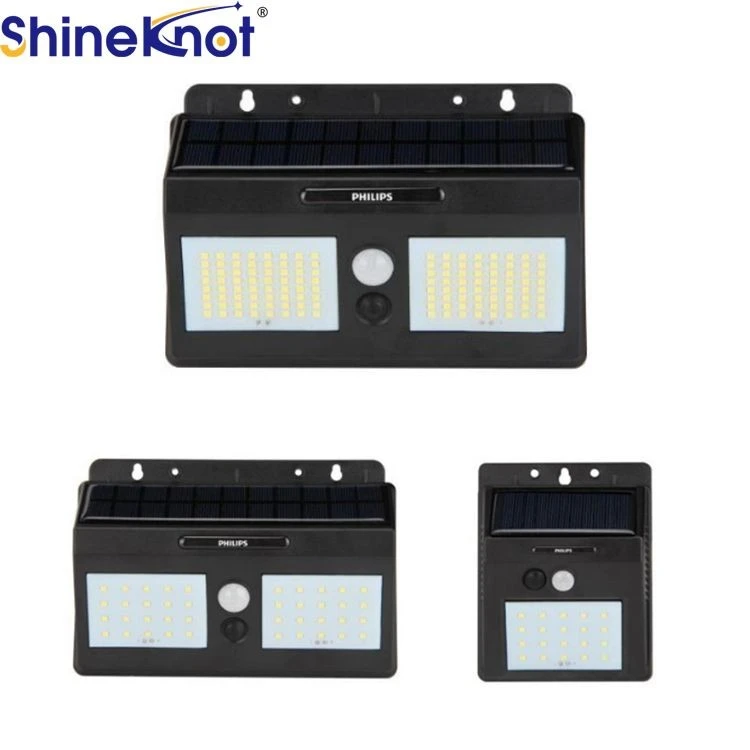
Take our 3W LED Solar Wall Light for Philips. This light is perfect for illuminating the exterior of buildings. It uses high - quality LED chips that are known for their long - term brightness. The solar panel on this light is highly efficient, so it can charge the battery quickly during the day. And the lithium - ion battery ensures a consistent power supply to the LED, resulting in a stable light output throughout the night. Whether it's a warm summer night or a cold winter evening, you can trust this light to keep your walls well - lit.

Our Integrated Solar Street Light for NIKKON is another great example. This light is designed for use on streets and sidewalks. It needs to provide a high level of light output stability because it's used for safety and visibility. The integrated design combines the solar panel, battery, and LED into one compact unit. The high - efficiency solar panel charges the battery during the day, and the powerful LED provides a bright, consistent light at night. We've engineered this light to withstand various environmental conditions, so its light output remains stable year after year.
The BVP080 LED Flood Light for Philips is ideal for large - area lighting, such as illuminating a parking lot or a sports field. It has a wide beam angle and a high light output. To ensure stability, we've used advanced thermal management technology. Heat can reduce the lifespan of an LED and affect its light output. Our flood light is designed to dissipate heat effectively, so the LED can operate at an optimal temperature, maintaining a stable and bright light output.
In addition to these technical aspects, we also offer a comprehensive quality control process. Every single LED solar light that leaves our factory goes through a series of tests. We test the light output under different conditions, including varying levels of battery charge, different temperatures, and different amounts of sunlight exposure. This way, we can be sure that each light will perform consistently in the real world.
So, why does light output stability matter to you? Well, for starters, it saves you money. If you have to replace your lights frequently because their light output has dropped off, you'll end up spending more in the long run. With stable - output LED solar lights, you can enjoy reliable lighting for years without having to worry about constant replacements.
It also enhances safety. For example, if you're using solar lights to illuminate a driveway or a stairway, a stable light output ensures that you can see clearly at all times. This reduces the risk of accidents and injuries.
If you're in the market for high - quality LED solar lights with excellent light output stability, we'd love to hear from you. Whether you're a homeowner looking to light up your garden or a business owner in need of street or flood lighting, we have the right products for you. Reach out to us to start a conversation about your lighting needs. We can provide you with detailed product information, pricing, and even custom solutions if required.
In conclusion, light output stability is a crucial aspect of LED solar lights. It depends on the quality of the LED chips, solar panels, batteries, and proper engineering and testing. At our company, we're committed to providing you with products that offer consistent, reliable light output for years to come.
References
- "LED Lighting Technology: Principles and Applications" by X. Hu and J. Zhang
- "Solar Energy Systems: Design and Analysis" by S. Duffie and W. Beckman
- Industry reports on LED and solar lighting performance from leading research firms