



In the realm of electrical components, the term "plug" holds a significance that extends far beyond its simple physical appearance. As a dedicated plug supplier, I've witnessed firsthand the diverse applications and crucial roles that plugs play in our daily lives and various industries. In this blog, I aim to delve into the multifaceted meaning of "plug," exploring its definitions, functions, types, and the importance of quality in the world of electrical connections.
Defining the "Plug"
At its most basic level, a plug is a device designed to connect an electrical appliance or equipment to a power source. It typically consists of a male connector with prongs or pins that fit into a corresponding female socket, completing an electrical circuit and allowing the flow of electricity. This simple yet ingenious invention has been a cornerstone of modern electrical systems, enabling the safe and efficient use of countless devices.
However, the concept of a plug goes beyond its physical form. It represents a standardized interface that ensures compatibility between different electrical devices and power sources. This standardization is crucial for safety, as it prevents improper connections that could lead to electrical hazards such as short circuits, shocks, or fires. Moreover, plugs are designed to meet specific electrical and mechanical requirements, ensuring reliable performance and durability in various environments.
Functions of Plugs
The primary function of a plug is to provide a secure and reliable electrical connection between an appliance and a power source. When inserted into a socket, the prongs or pins make contact with the corresponding terminals inside the socket, allowing electricity to flow from the power supply to the appliance. This connection must be both physically stable and electrically conductive to ensure efficient power transfer and prevent power interruptions.
In addition to providing a basic electrical connection, plugs often incorporate additional features to enhance safety and functionality. For example, many plugs are equipped with grounding pins, which provide a path for electrical current to flow safely to the ground in the event of a fault. This helps to protect users from electrical shocks and reduces the risk of damage to the appliance. Some plugs also include switches or fuses, which allow users to control the flow of electricity or protect the appliance from overcurrent.

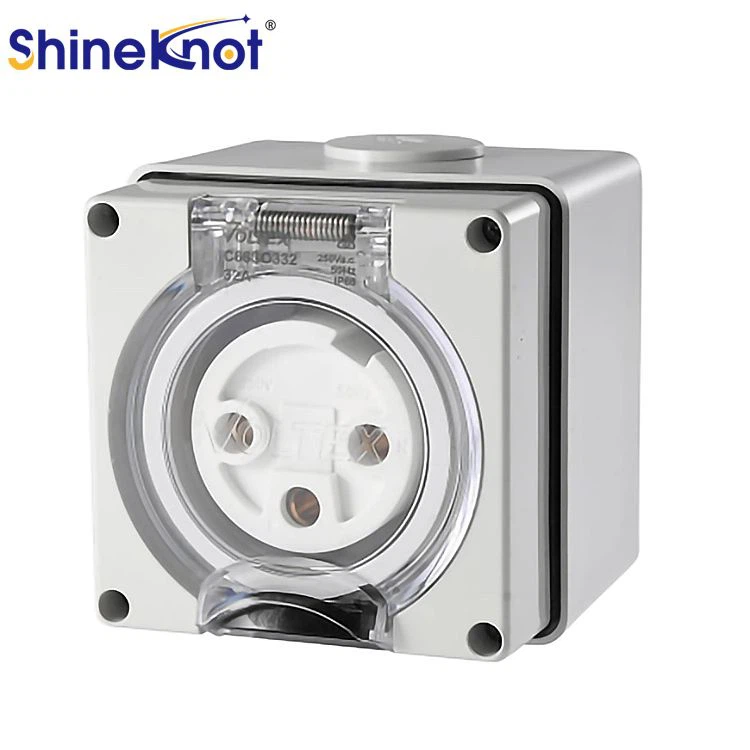
Types of Plugs
There is a wide variety of plugs available on the market, each designed for specific applications and regions. The type of plug used depends on several factors, including the voltage and frequency of the power supply, the electrical requirements of the appliance, and the local electrical standards. Here are some of the most common types of plugs:
- Domestic Plugs: These are the plugs used in homes and residential buildings to connect everyday appliances such as lamps, televisions, and refrigerators. Domestic plugs typically have two or three prongs and are designed to operate at low voltages (e.g., 110V or 230V).
- Industrial Plugs: Industrial plugs are used in commercial and industrial settings to connect heavy-duty equipment such as motors, generators, and machinery. These plugs are designed to handle higher voltages and currents and are often more robust and durable than domestic plugs. SAA Industrial Socket is an example of an industrial plug that meets the strict safety and performance standards required in industrial applications.
- Specialty Plugs: In addition to domestic and industrial plugs, there are also specialty plugs designed for specific applications. For example, there are plugs for outdoor use that are weatherproof and resistant to moisture and dust. There are also plugs for medical equipment, which must meet strict safety and performance requirements to ensure the well-being of patients. 5 PIN 20AMP SWITCHED SOCKET OUTLET IP66 and 3 Pin Extension Socket Industrial IP66socket are examples of specialty plugs that are suitable for harsh environments.
Importance of Quality Plugs
When it comes to electrical connections, the quality of the plug is of utmost importance. A poorly designed or manufactured plug can pose serious safety risks, including electrical shocks, fires, and damage to appliances. Therefore, it is essential to choose high-quality plugs that meet the relevant safety standards and are designed for the specific application.
As a plug supplier, we understand the importance of quality and reliability. That's why we source our plugs from reputable manufacturers who use high-quality materials and advanced manufacturing processes. Our plugs are rigorously tested to ensure that they meet or exceed the relevant safety and performance standards, giving our customers peace of mind knowing that they are using safe and reliable electrical components.
The Role of a Plug Supplier
As a plug supplier, our role is not just to provide high-quality plugs but also to offer expert advice and support to our customers. We understand that choosing the right plug can be a daunting task, especially for those who are not familiar with the technical aspects of electrical connections. That's why we have a team of experienced professionals who can help our customers select the most suitable plugs for their specific needs.
In addition to providing product selection advice, we also offer a range of value-added services, such as custom manufacturing, product testing, and after-sales support. We work closely with our customers to understand their requirements and provide tailored solutions that meet their needs and budget. Whether you are a homeowner looking for a replacement plug or an industrial manufacturer in need of a large quantity of specialized plugs, we have the expertise and resources to help you.
Conclusion
In conclusion, the meaning of "plug" goes far beyond its simple physical form. It represents a crucial component in modern electrical systems, providing a secure and reliable connection between appliances and power sources. As a plug supplier, we are committed to providing high-quality plugs that meet the highest safety and performance standards. We understand the importance of quality and reliability in electrical connections, and we strive to offer our customers the best products and services possible.
If you are in the market for plugs, whether for domestic, industrial, or specialty applications, we invite you to contact us for a consultation. Our team of experts will be happy to help you select the most suitable plugs for your needs and provide you with the support and advice you need to make an informed decision. Let's work together to ensure safe and efficient electrical connections in your projects.
References
- Electrical Safety Foundation International. (n.d.). Electrical Safety Basics. Retrieved from https://www.esfi.org/electrical-safety-basics
- International Electrotechnical Commission. (n.d.). Standards for Electrical Equipment. Retrieved from https://www.iec.ch/
- Underwriters Laboratories. (n.d.). Product Safety Standards. Retrieved from https://www.ul.com/