



What is the shock - resistance of a terminal block?
As a supplier of terminal blocks, I am often asked about the shock - resistance of our products. Terminal blocks are essential components in electrical systems, used to connect and terminate wires. Understanding their shock - resistance is crucial for ensuring the safety and reliability of electrical installations.
Defining Shock - Resistance in Terminal Blocks
Shock - resistance refers to the ability of a terminal block to withstand mechanical shocks without suffering damage that could compromise its electrical performance. In electrical applications, mechanical shocks can occur due to various reasons such as transportation, vibration in industrial machinery, or accidental impacts during installation or maintenance.
When a terminal block is exposed to a shock, the internal components, including the wire connections, contact points, and insulating materials, need to remain intact. A terminal block with good shock - resistance will prevent loosening of wire connections, which could lead to increased resistance, overheating, and potential electrical failures. It also ensures that the insulating properties of the block are maintained, reducing the risk of short - circuits and electrical shocks to users.
Factors Affecting Shock - Resistance
- Material Quality
The materials used in the construction of a terminal block play a significant role in its shock - resistance. For the housing, high - quality plastics or metals are often used. For example, engineering plastics like polycarbonate offer good mechanical strength and impact resistance. They can absorb the energy of a shock without cracking or breaking. Metals such as aluminum or stainless steel can also be used for more robust applications, providing excellent durability and shock - absorption capabilities.
The contact materials are equally important. Copper or copper alloys are commonly used for their good electrical conductivity. High - grade copper alloys can maintain their shape and electrical contact even under shock conditions, ensuring a stable electrical connection.
- Design and Construction
The design of a terminal block can enhance its shock - resistance. A well - designed terminal block will have features such as reinforced housing, proper wire clamping mechanisms, and internal bracing. For instance, some terminal blocks have a double - clamping design that securely holds the wires in place. This design reduces the likelihood of wire movement during a shock, preventing connection failures.
The internal layout of the terminal block also matters. A compact and well - organized design can help distribute the shock energy evenly across the block, minimizing the stress on individual components.
- Manufacturing Processes
Precision manufacturing processes are essential for ensuring the shock - resistance of terminal blocks. High - quality manufacturing techniques ensure that the components are assembled correctly and that there are no weak points in the structure. For example, proper molding of plastic housings and accurate machining of metal parts are crucial. Any defects in the manufacturing process, such as voids in the plastic or misaligned contact points, can reduce the shock - resistance of the terminal block.
Testing Shock - Resistance
To ensure the shock - resistance of our terminal blocks, we conduct a series of rigorous tests. One common test is the drop test. In this test, the terminal block is dropped from a specified height onto a hard surface. The height and the surface material are determined based on industry standards. After the drop, the terminal block is inspected for visible damage, and its electrical performance is tested to ensure that there are no changes in resistance or continuity.
Another test is the vibration test. The terminal block is subjected to vibrations of different frequencies and amplitudes for a specified period. This simulates the vibrations that the terminal block may experience in real - world applications, such as in industrial machinery. During the test, the electrical performance of the terminal block is continuously monitored to detect any changes that may indicate a loss of connection due to the vibrations.
Applications and the Importance of Shock - Resistance
-
Industrial Automation
In industrial automation systems, terminal blocks are used extensively to connect sensors, actuators, and control devices. These systems are often subject to high levels of vibration and mechanical shocks due to the operation of machinery. A terminal block with poor shock - resistance can lead to intermittent connections, which can cause malfunctions in the automation system. This can result in production downtime, increased maintenance costs, and potential safety hazards. -
Transportation Systems
In transportation systems, such as trains, buses, and airplanes, terminal blocks are used in electrical wiring harnesses. These vehicles are exposed to various shocks during operation, including bumps on the road or turbulence in the air. Terminal blocks with good shock - resistance are essential to ensure the reliable operation of the electrical systems in these vehicles. A failure in the electrical system can have serious consequences, including safety risks for passengers and crew. -
Renewable Energy Systems
Renewable energy systems, such as solar and wind power plants, also rely on terminal blocks for electrical connections. These systems are often located in harsh environments, where they may be exposed to strong winds, earthquakes, and other natural shocks. Terminal blocks with high shock - resistance are necessary to ensure the long - term reliability of these systems and to prevent power outages.
Our Product Range and Shock - Resistance
We offer a wide range of terminal blocks, each designed to meet different application requirements. Our Non-insulated Ring Terminal is a popular choice for applications where a simple and reliable connection is needed. These terminals are made from high - quality copper and have a robust design that provides good shock - resistance.
Our Din Rail Combined Terminal Block Kits are designed for industrial applications. They feature a modular design that allows for easy installation and expansion. The kits are constructed using high - strength plastics and precision - engineered contact components, ensuring excellent shock - resistance even in demanding industrial environments.

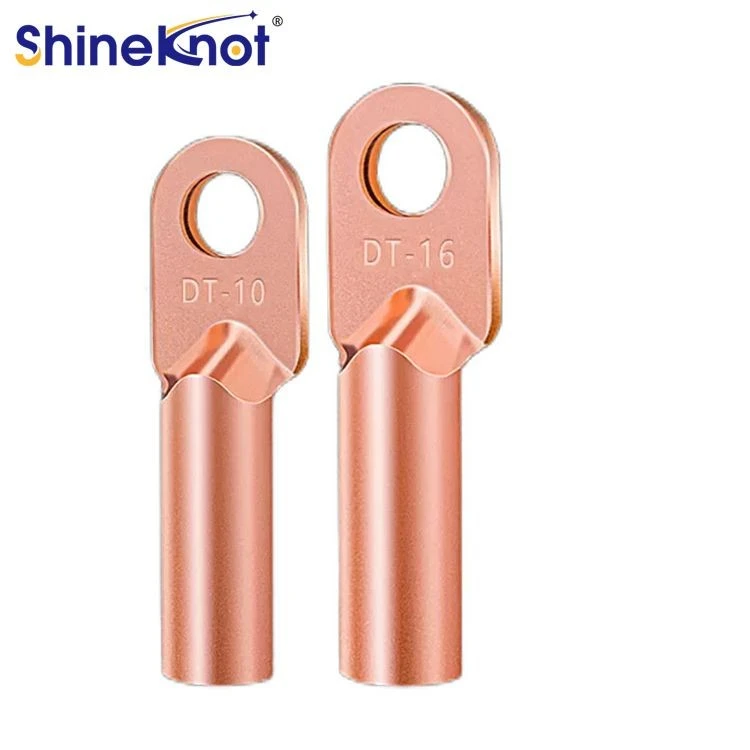
For heavy - duty applications, our Heavy Duty Wire Lugs are the ideal choice. These lugs are made from thick - walled copper or aluminum and are designed to withstand high levels of mechanical stress and shock. They are commonly used in power distribution systems, where reliability is of utmost importance.
Conclusion
In conclusion, the shock - resistance of a terminal block is a critical factor in ensuring the safety and reliability of electrical systems. It is influenced by factors such as material quality, design, and manufacturing processes. Through rigorous testing, we ensure that our terminal blocks meet the highest standards of shock - resistance.
If you are in need of high - quality terminal blocks with excellent shock - resistance for your electrical applications, we invite you to contact us for a detailed discussion on your requirements. Our team of experts is ready to assist you in selecting the most suitable products for your projects.
References
- "Electrical Terminal Block Handbook", published by an industry - standard organization.
- Research papers on the mechanical properties of materials used in terminal block manufacturing.