



Hey there! As a supplier of LED panel lights, I often get asked about the thickness of a typical LED panel light. It's a great question, and the answer isn't as straightforward as you might think. In this blog post, I'll break down the factors that influence the thickness of LED panel lights and give you a better idea of what to expect.
First off, let's talk about the different types of LED panel lights. There are mainly two common installation methods: recessed-mounted and surface-mounted.
Recessed-mounted LED panel lights are designed to be installed into a ceiling or wall cavity. These lights are popular in commercial and residential settings because they provide a clean, flush look. For example, our 600mm Recessed Mounted Led Panel Light is a top - seller. The thickness of recessed - mounted LED panel lights can vary depending on the design and the technology used. Generally, they range from about 15mm to 50mm. Thinner models are often more expensive as they require more advanced manufacturing techniques to pack all the necessary components into a smaller space.
On the other hand, surface - mounted LED panel lights are attached directly to the surface of a ceiling or wall. They are easier to install compared to recessed - mounted ones, especially in situations where you can't or don't want to cut into the ceiling. Our Surface Mounted Led Panel Light is a great option for those looking for a simple yet effective lighting solution. The thickness of surface - mounted LED panel lights typically falls between 10mm to 30mm. Some ultra - slim models can be even thinner, around 8mm, but these are usually more suitable for low - power applications.
Now, let's dig deeper into the factors that affect the thickness of LED panel lights.
1. LED Chip and Driver Design
The LED chips are the heart of the panel light, and the driver is what powers them. High - quality LED chips and advanced drivers can be designed to be more compact, which in turn allows for a thinner panel light. For instance, some of the latest chips are designed to be more energy - efficient and generate less heat, reducing the need for large heat sinks. Heat sinks are used to dissipate heat from the LED chips, and in older or lower - quality designs, they can add significant thickness to the panel light.
2. Lighting Output Requirements
If you need a high - brightness LED panel light, it will usually be thicker. This is because more LED chips are required to produce a higher lumen output. Additionally, high - power LED chips generate more heat, which means a larger heat sink is needed to keep the chips cool. For example, a large - scale commercial space that requires a lot of light will need a more powerful and potentially thicker LED panel light compared to a small residential room.

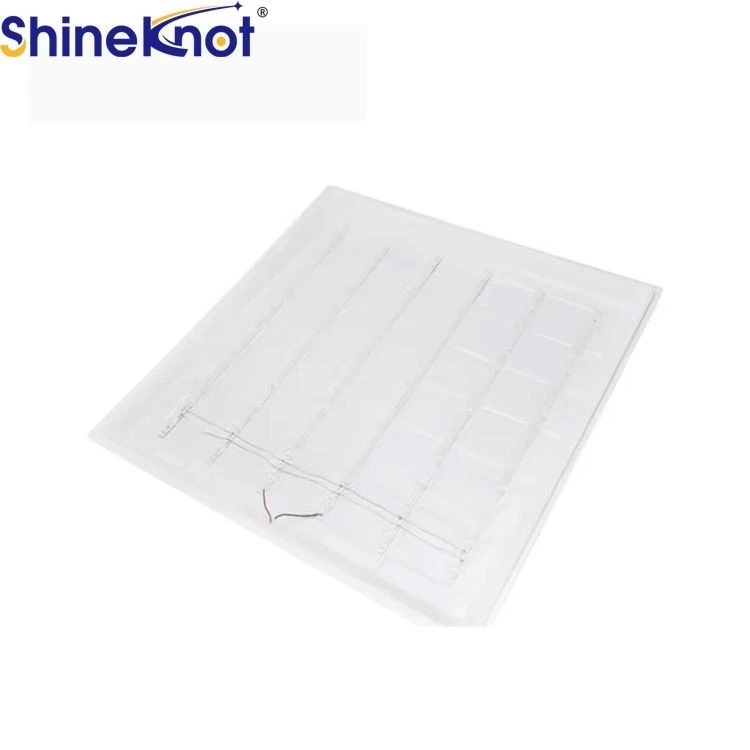
3. Mounting and Structural Considerations
As mentioned earlier, the type of mounting affects the thickness. Recessed - mounted lights need to fit into a cavity, and the structural design has to account for that. There also needs to be enough space for wiring and any additional components. Surface - mounted lights, while generally thinner, still need to be designed in a way that they can be securely attached to the surface without being too bulky.
4. Cost
Cost is always a factor in product design. Thinner LED panel lights often cost more to produce due to the advanced technology and materials used. If you're on a tight budget, you might have to settle for a slightly thicker panel light. However, keep in mind that the long - term energy savings from using an LED panel light can offset the initial cost.
Another interesting type of LED panel light is the round ultra - slim panel light. Our 9w Round Ultra Slim Panel Light is a prime example. These lights are usually very thin, often less than 10mm. They are great for decorative purposes or for areas where you want a minimalist look. Round ultra - slim panel lights are commonly used in modern interior designs, such as in bathrooms, hallways, or as accent lighting.
So, when you're choosing an LED panel light, it's important to consider your specific needs. If you're going for a seamless look in a commercial space, a recessed - mounted LED panel light might be the way to go. But if you want an easy - to - install option for a small room, a surface - mounted or round ultra - slim panel light could be perfect.
In terms of installation, make sure you follow the manufacturer's instructions carefully. If you're not confident in your DIY skills, it's always a good idea to hire a professional electrician. They can ensure that the light is installed safely and correctly, which is crucial for both the performance and longevity of the LED panel light.
Maintenance of LED panel lights is relatively easy. They don't require frequent bulb changes like traditional lighting fixtures. However, it's a good idea to clean the panels regularly to keep them looking their best. You can use a soft, dry cloth to wipe away any dust or dirt.
If you're in the market for LED panel lights, whether for a commercial project or a home renovation, I'd love to help you find the perfect fit. We offer a wide range of LED panel lights in different sizes, thicknesses, and styles to meet your specific requirements. Don't hesitate to reach out if you have any questions or if you want to discuss your lighting needs further. Whether you're interested in our 600mm Recessed Mounted Led Panel Light, Surface Mounted Led Panel Light, or 9w Round Ultra Slim Panel Light, we're here to assist you.
In conclusion, the thickness of a typical LED panel light can vary widely depending on the type, design, and application. By understanding the factors that influence thickness, you can make a more informed decision when purchasing LED panel lights.
References
- Lighting Industry Research Reports
- LED Panel Light Manufacturer Specifications
- Electrical Installation and Maintenance Guides