



What is the Weight of a Typical LED Solar Light?
As a leading supplier of LED solar lights, I often get asked about the weight of these energy - efficient lighting solutions. The weight of a typical LED solar light can vary significantly depending on several factors, including its size, type, and the materials used in its construction.
Factors Affecting the Weight of LED Solar Lights
Size
One of the most obvious factors influencing the weight is the physical size of the LED solar light. Larger lights generally weigh more than smaller ones. For example, a large - scale 20W LED Solar Courtyard Light designed to illuminate a vast courtyard area will likely have a bigger solar panel, a larger battery, and a more substantial housing compared to a small LED solar path light. The 20W courtyard light needs a larger surface area for the solar panel to collect enough sunlight during the day to power the LED for an extended period at night. This larger panel, along with a more robust battery to store the energy, adds to its overall weight.
Type
Different types of LED solar lights have different weight characteristics. There are solar flood lights, solar street lights, solar garden lights, and solar bulb lights. A 30W Solar Bulb Light is relatively lightweight as it is mainly designed to be used in a standard light socket, similar to a regular light bulb. It typically has a small - sized solar panel and a compact battery integrated into its design. On the other hand, a solar flood light like the BVP080 LED Flood Light for Philips is much heavier. These flood lights are used for illuminating large areas such as sports fields or industrial sites. They require a high - power LED and a large battery to provide intense light for long periods. Additionally, they often have a sturdier housing to protect the components from the elements and potential impacts.
Materials
The materials used in the construction of LED solar lights also play a crucial role in determining their weight. The solar panel can be made of different materials, such as monocrystalline silicon, polycrystalline silicon, or thin - film solar cells. Monocrystalline silicon solar panels are more efficient but can be heavier than thin - film solar cells. The housing of the light can be made of plastic, aluminum, or stainless steel. Plastic housings are lightweight and cost - effective, making them a popular choice for many consumer - grade LED solar lights. However, they may not be as durable as metal housings. Aluminum is a common choice for mid - range and high - end LED solar lights. It is relatively lightweight, yet strong and corrosion - resistant. Stainless steel is the heaviest option but offers the highest level of durability, especially in harsh environments.
Typical Weight Ranges
Let's take a closer look at the typical weight ranges for different types of LED solar lights:
Solar Garden Lights
Solar garden lights are usually the lightest type of LED solar lights. They are designed to line garden paths, illuminate flower beds, or decorate outdoor spaces. These lights typically weigh between 0.2 to 1 kilogram. The smaller ones, such as those with a single LED and a small solar panel, may weigh as little as 0.2 kilograms. Larger garden lights with multiple LEDs and a slightly larger solar panel can weigh up to 1 kilogram. Their lightweight design makes them easy to install and move around as needed.
Solar Bulb Lights
As mentioned earlier, solar bulb lights are designed to replace traditional light bulbs. They usually weigh between 0.1 to 0.5 kilograms. The weight mainly depends on the power of the LED and the size of the battery. A low - power solar bulb light may weigh around 0.1 kilograms, while a more powerful 30W solar bulb light can weigh up to 0.5 kilograms.
Solar Flood Lights
Solar flood lights are much heavier due to their high - power requirements. They can weigh anywhere from 2 to 10 kilograms or more. Smaller flood lights with lower power ratings may weigh around 2 kilograms, while large - scale flood lights used for industrial applications can weigh over 10 kilograms. The weight includes the heavy - duty housing, the large solar panel, and the high - capacity battery.
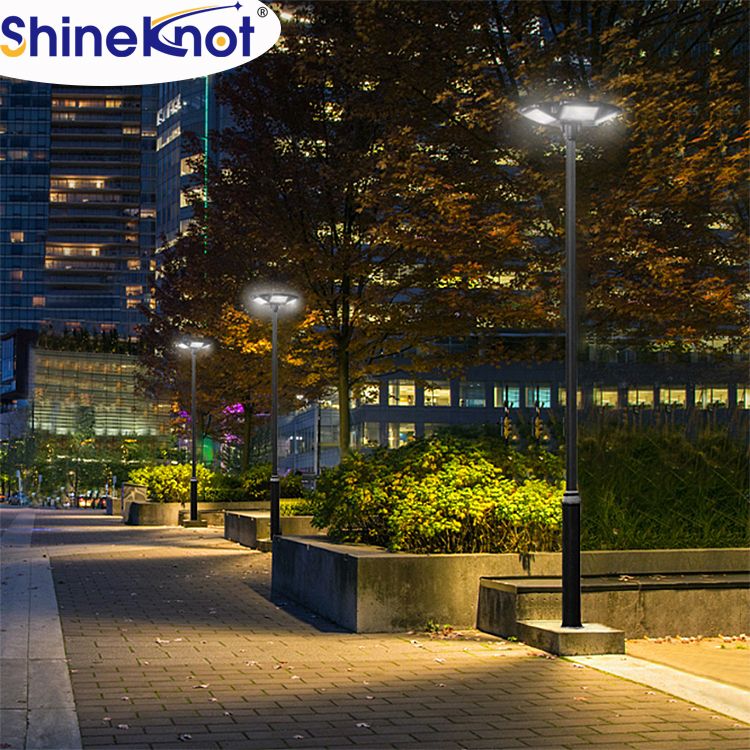

Solar Street Lights
Solar street lights are among the heaviest LED solar lights. They are designed to provide bright illumination for streets and roads. These lights can weigh between 10 to 50 kilograms or even more, depending on their height, power, and the materials used. Taller street lights with high - power LEDs and large solar panels can be quite heavy. The weight also includes the pole, which is usually made of metal and needs to be sturdy enough to support the light fixture.
Importance of Weight in LED Solar Lights
The weight of an LED solar light is not just a random characteristic; it has several practical implications:
Installation
The weight of the light affects the ease of installation. Lightweight LED solar lights are easier to install, especially for DIY projects. They can be easily mounted on walls, stakes, or light sockets without the need for heavy - duty equipment. Heavier lights, on the other hand, may require professional installation. For example, installing a heavy solar street light may involve digging a foundation and using a crane to lift the light into place.
Durability
In general, heavier LED solar lights tend to be more durable. The use of heavier materials such as metal housings and high - quality components indicates a more robust construction. These lights are better able to withstand harsh weather conditions, strong winds, and potential impacts. However, it's important to note that durability also depends on other factors such as the quality of the manufacturing process and the design of the light.
Transportation
The weight of LED solar lights also affects transportation costs. Heavier lights require more fuel to transport, which can increase the overall cost of the product. This is an important consideration for both suppliers and customers. Suppliers need to factor in the transportation costs when setting the price of the lights, and customers need to consider these costs when purchasing in bulk.
Conclusion
In conclusion, the weight of a typical LED solar light varies widely depending on its size, type, and the materials used. As a supplier of LED solar lights, we understand the importance of providing our customers with accurate information about the weight of our products. Whether you are looking for a lightweight solar garden light to decorate your outdoor space or a heavy - duty solar flood light for an industrial site, we have a wide range of options to meet your needs.
If you are interested in purchasing LED solar lights, we encourage you to contact us for more information. Our team of experts can help you choose the right LED solar light based on your specific requirements, including the weight, power, and design. We are committed to providing high - quality products at competitive prices and excellent customer service.
References
- "Solar Lighting Handbook" by John W. Yellott
- "LED Lighting Technology: Applications and Advances" by Nadarajah Narendran