



When it comes to tapes, one of the most frequently asked questions is, "Is tape waterproof?" As a tape supplier, I've encountered this query countless times from customers across various industries. The answer isn't as straightforward as a simple yes or no, as it depends on several factors, including the type of tape, its intended use, and the specific conditions it will be exposed to.
Understanding Waterproofing in Tapes
To begin with, let's clarify what we mean by "waterproof." A waterproof tape is designed to prevent water from passing through it under normal conditions. This can range from light splashes to prolonged immersion, depending on the tape's specifications. However, it's important to note that the term "waterproof" can be somewhat misleading, as there are varying degrees of water resistance.
Types of Tapes and Their Waterproof Properties
Fiberglass Aluminum Foil Insulation Tape
Fiberglass Aluminum Foil Insulation Tape is a popular choice for many applications, especially in the insulation and electrical industries. This tape is typically made of fiberglass cloth coated with aluminum foil, which provides excellent heat resistance and insulation properties. In terms of waterproofing, the aluminum foil layer acts as a barrier against moisture, making it suitable for use in damp or humid environments. However, it's important to ensure that the edges of the tape are properly sealed to prevent water from seeping in.
Insulating Cloth Tape
Insulating Cloth Tape is another type of tape commonly used for electrical insulation. It is made of a cloth base material coated with an insulating compound, which provides excellent electrical insulation and mechanical protection. While insulating cloth tape is not inherently waterproof, some manufacturers offer waterproof versions that are treated with a special coating to repel water. These waterproof insulating cloth tapes are suitable for use in outdoor or wet environments, but it's important to check the manufacturer's specifications to ensure that they meet your specific requirements.
Self-adhesive Insulation Tape
Self-adhesive Insulation Tape is a versatile tape that can be used for a variety of applications, including electrical insulation, sealing, and bonding. It is typically made of a flexible plastic or rubber material with a self-adhesive backing, which makes it easy to apply and remove. In terms of waterproofing, self-adhesive insulation tape can provide a good level of protection against moisture, but it's important to choose a tape that is specifically designed for use in wet or damp environments. Some self-adhesive insulation tapes are also resistant to chemicals and UV radiation, which makes them suitable for use in outdoor applications.
Factors Affecting Tape Waterproofing
In addition to the type of tape, there are several other factors that can affect its waterproofing properties. These include:
Surface Preparation
Proper surface preparation is essential for ensuring that the tape adheres properly and provides a good seal. Before applying the tape, the surface should be clean, dry, and free of any dirt, grease, or debris. If the surface is rough or uneven, it may be necessary to sand it down or apply a primer to improve the tape's adhesion.
Application Method
The way the tape is applied can also affect its waterproofing properties. It's important to apply the tape evenly and smoothly, making sure that there are no air bubbles or wrinkles. If the tape is applied too tightly, it may cause it to stretch or tear, which can compromise its waterproofing performance. On the other hand, if the tape is applied too loosely, it may not provide a good seal, allowing water to seep in.
Environmental Conditions
The environmental conditions in which the tape will be used can also have an impact on its waterproofing properties. For example, extreme temperatures, high humidity, and exposure to sunlight can all affect the tape's adhesion and durability. It's important to choose a tape that is suitable for the specific environmental conditions in which it will be used.

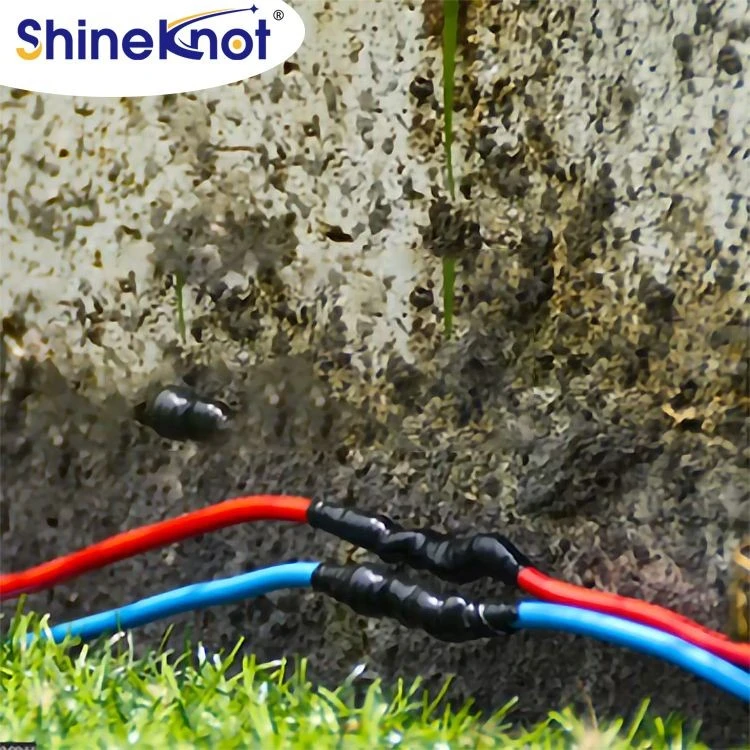
Testing Tape Waterproofing
If you're unsure whether a particular tape is waterproof, it's a good idea to conduct a simple test before using it in a critical application. To do this, apply a small piece of the tape to a clean, dry surface and allow it to dry for the recommended amount of time. Then, place the taped surface under water for a few minutes and check for any signs of water leakage. If the tape holds up well and there are no signs of water seeping through, it should be suitable for use in wet or damp environments.
Conclusion
In conclusion, the question of whether tape is waterproof depends on several factors, including the type of tape, its intended use, and the specific conditions it will be exposed to. While some tapes are designed to be waterproof, others may only provide a certain level of water resistance. As a tape supplier, I recommend that you carefully consider your specific requirements and choose a tape that is suitable for the application. If you have any questions or need further assistance, please don't hesitate to contact me. I'm always happy to help you find the right tape for your needs.
If you're interested in purchasing high-quality waterproof tapes for your business, I invite you to reach out to me for a detailed discussion. Our team of experts can provide you with personalized advice and guidance to ensure that you select the most suitable tape for your specific requirements. Whether you need tapes for electrical insulation, sealing, or bonding, we have a wide range of products to meet your needs. Contact us today to start the procurement process and take advantage of our competitive pricing and excellent customer service.
References
- ASTM International. (2023). Standard Test Methods for Determining Water Vapor Transmission Rate Through Flexible Barrier Materials. ASTM E96/E96M - 23.
- Tape Manufacturers Association International. (2023). Technical Handbook for Pressure - Sensitive Tapes.