



Do terminal blocks come with a warranty? This is a question that many customers often ask when considering purchasing terminal blocks. As a terminal block supplier, I understand the importance of warranties in providing customers with peace of mind and confidence in their purchases. In this blog post, I will delve into the topic of terminal block warranties, exploring what they typically cover, the duration of warranties, and how they can benefit both customers and suppliers.
Understanding Terminal Block Warranties
A warranty is essentially a promise made by the manufacturer or supplier to the customer. It guarantees that the product will meet certain standards of quality and performance for a specified period. When it comes to terminal blocks, warranties can vary significantly depending on the manufacturer, the type of terminal block, and the intended application.
Most terminal block warranties cover defects in materials and workmanship. This means that if a terminal block fails due to a flaw in the materials used to make it or a mistake in the manufacturing process, the manufacturer will repair or replace the defective unit at no cost to the customer. However, it's important to note that warranties usually do not cover damage caused by improper installation, misuse, or normal wear and tear.
Duration of Terminal Block Warranties
The duration of a terminal block warranty can range from a few months to several years. Shorter warranties are often associated with lower - cost or more basic terminal blocks, while longer warranties are typically offered for high - quality, industrial - grade products.
For example, some entry - level terminal blocks may come with a 1 - year warranty, while heavy - duty terminal blocks designed for harsh industrial environments could have a 3 - to 5 - year warranty. The length of the warranty is often an indication of the manufacturer's confidence in the product's durability and reliability.
When choosing a terminal block, it's important to consider the warranty period. A longer warranty can provide greater protection and may be worth paying a slightly higher price for, especially if the terminal block is used in a critical application where downtime can be costly.
Benefits of Terminal Block Warranties for Customers
Warranties offer several benefits to customers. Firstly, they provide financial protection. If a terminal block fails within the warranty period, the customer does not have to bear the cost of replacement or repair. This can save a significant amount of money, especially for large - scale projects or industrial applications where the cost of components can be high.
Secondly, warranties enhance the customer's trust in the product and the supplier. When a supplier offers a warranty, it shows that they stand behind their products and are confident in their quality. This can give customers the peace of mind they need to make a purchase, knowing that they are protected in case something goes wrong.
Finally, warranties can also reduce the customer's risk of downtime. In industrial settings, a faulty terminal block can cause a system to malfunction, leading to production delays and lost revenue. With a warranty in place, the customer can quickly get a replacement terminal block, minimizing the disruption to their operations.
Benefits of Terminal Block Warranties for Suppliers
Warranties are not only beneficial to customers but also to suppliers. By offering a warranty, suppliers can differentiate themselves from their competitors. In a crowded market, a generous warranty can be a key selling point that attracts customers to choose their products over others.
Moreover, warranties can help suppliers build long - term relationships with their customers. When a customer has a positive experience with a warranty claim, they are more likely to continue doing business with the supplier in the future. This can lead to repeat purchases and increased customer loyalty.
Warranties also provide valuable feedback to suppliers. When customers file warranty claims, it allows suppliers to identify any recurring issues or weaknesses in their products. This information can be used to improve the product design and manufacturing processes, ultimately leading to better - quality products.
Types of Terminal Blocks and Their Warranties
There are various types of terminal blocks available in the market, each with its own characteristics and warranty policies.
Heavy Duty Wire Lugs Heavy Duty Wire Lugs are designed to handle high - current applications and are often used in industrial power distribution systems. These terminal blocks are built to withstand harsh environments and heavy usage. As such, they usually come with longer warranties, typically around 3 - 5 years. The warranty covers any defects in the lug's construction, such as cracks in the metal or problems with the insulation.
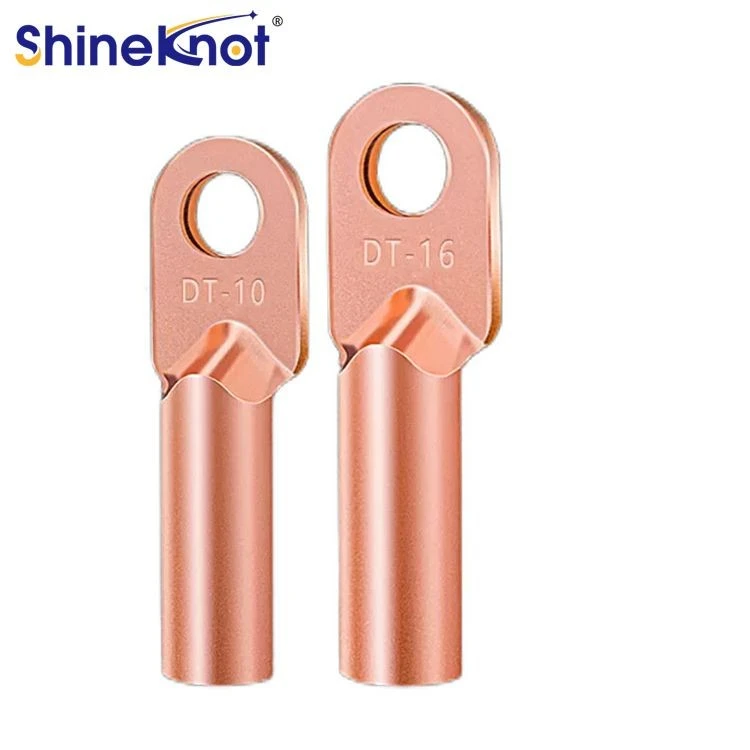

Non - insulated Ring Terminal Non - insulated Ring Terminal are simple and cost - effective solutions for making electrical connections. They are commonly used in automotive, marine, and general electrical applications. The warranty for non - insulated ring terminals is typically shorter, around 1 - 2 years, due to their relatively lower cost and less complex design. However, it still safeguards against manufacturing defects.
Insulated Ring Terminal Insulated Ring Terminal provide an extra layer of protection by covering the metal part of the terminal with insulation. This makes them suitable for applications where electrical safety is a concern. Like heavy - duty wire lugs, insulated ring terminals may come with a 2 - 3 year warranty, depending on the quality and brand.
Factors Affecting Terminal Block Warranties
Several factors can affect the terms and conditions of a terminal block warranty.
Application Environment Terminal blocks used in harsh environments, such as high - temperature, high - humidity, or corrosive settings, may have different warranty conditions. Some manufacturers may require additional protective measures or regular maintenance to keep the warranty valid.
Installation and Usage Proper installation and usage are crucial for maintaining the warranty. If a terminal block is installed incorrectly or used in a way that exceeds its rated specifications, the warranty may be voided.
Industry Standards and Regulations In some industries, there are specific standards and regulations that govern the warranty requirements for electrical components. Suppliers must ensure that their warranty policies comply with these standards.
How to Make a Warranty Claim
If you believe that your terminal block is covered by a warranty and has a defect, the first step is to contact the supplier or manufacturer. Provide them with detailed information about the product, including the model number, purchase date, and a description of the problem.
The supplier may ask you to provide proof of purchase, such as an invoice. They will then assess the claim and determine whether the defect is covered by the warranty. If the claim is approved, they will either repair or replace the terminal block.
Conclusion
In conclusion, terminal blocks often come with warranties that offer valuable protection to both customers and suppliers. Customers can benefit from financial protection, increased trust, and reduced risk of downtime, while suppliers can differentiate themselves, build customer loyalty, and improve their products.
When purchasing terminal blocks, it's important to carefully consider the warranty terms, including the coverage, duration, and any conditions that may affect the warranty. By choosing a terminal block with a good warranty, you can ensure that you are making a wise investment in a reliable and high - quality product.
If you are interested in purchasing terminal blocks or have any questions about our warranty policies, please feel free to contact us. We are always ready to assist you in finding the right terminal block solutions for your specific needs and to provide you with the best possible service.
References
- Electrical Industry Association Standards on Terminal Block Quality and Warranty
- Terminal Block Manufacturers' Product Literature and Warranty Policies